
Review · MUSEUMS
New Taipei City: Golden Museum (Gold Ecological Park) Ticket
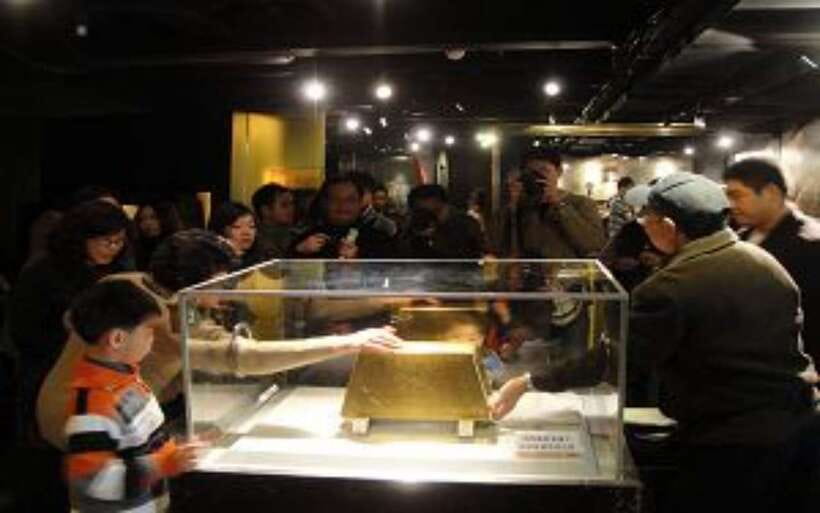
Gold still glitters here. The Jinguashi Gold Museum turns an old mining town into an open-air lesson in Taiwan’s industrial past, with mine tunnels, wooden residences, Japanese gardens, metalwork, and hands-on exhibits. I especially like the touchable gold brick and the chance to try gold panning through an interactive display rather than simply reading about it.
I also like that you can explore at your own pace. The grounds connect several very different buildings, from the Gold Building to the Crown Prince Chalet. The main consideration is that this is a museum complex, not a guided tour, so you need to manage your own time and read the exhibits as you go.
At about $2.54 per person, the ticket is excellent value for a full day of history and activities. Just remember to redeem it at the entrance for a hand stamp. That stamp gives you access to the Gold Building, Metal Art Building, Gold Refining Building, and Four Joined Japanese-Style Residence.
In This Review
- Key points to know before you go
- Why Jinguashi’s gold story matters
- Begin at the Gold Building and touch the gold
- Walk through Benshan No. 5 Tunnel
- See Japanese architecture in the Four Joined Residence
- Gold Refining Building adds film and interactive exhibits
- Metal Art Building shows gold beyond mining
- Crown Prince Chalet and its Japanese garden
- The Good Earth connects geology and ecology
- How much value do you get for $2.54?
- Who will enjoy the museum most?
- Practical plan for a one-day visit
- Should you book the Gold Museum ticket?
- FAQ
- How long is the Gold Museum ticket valid?
- What does the ticket include?
- Do I need to exchange the ticket at the entrance?
- Which buildings require the hand stamp?
- Can I touch real gold at the museum?
- Is gold panning part of the experience?
- Do children enter free?
- Do seniors enter free?
Key points to know before you go
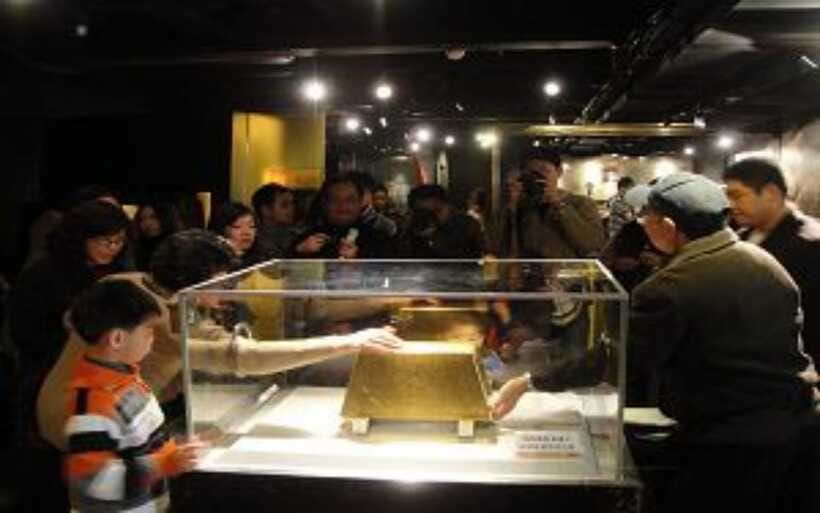
- A real gold brick anchors the visit: On the second floor of the Gold Building, you can touch a large gold brick.
- Benshan No. 5 Tunnel offers a direct look at mining life: Walk through a renovated mine tunnel and see the kind of setting in which miners worked.
- Gold panning is presented as an activity: The museum uses interactive and multimedia exhibits to show how panning works.
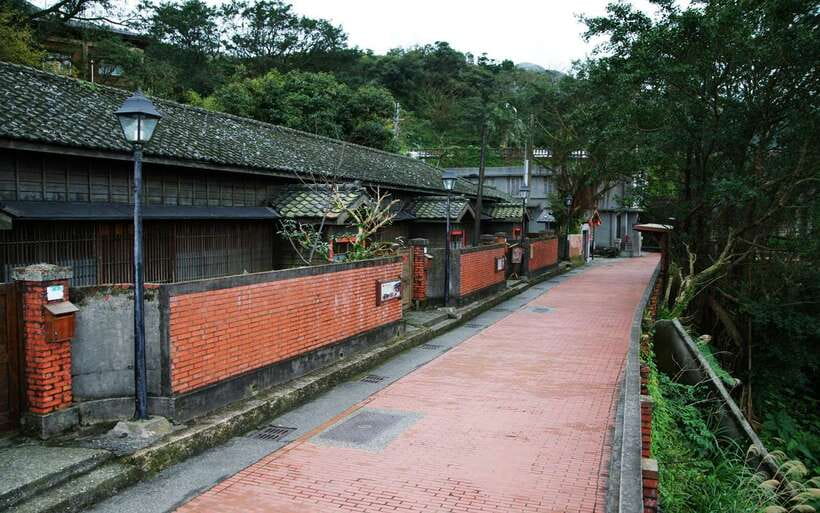
- The Four Joined Japanese-Style Residence is unusually well preserved: Its wooden structure and layered wall boards make it one of the site’s most distinctive buildings.
- The Crown Prince Chalet combines Japanese and Western design: Its garden, miniature golf course, and archery field add a quieter side to the museum visit.
- The low ticket price covers a full museum complex: Children aged 0 to 12 and seniors aged 65 or older enter free.
Why Jinguashi’s gold story matters
Jinguashi is not simply a museum with a gold theme. The entire complex explains how mining shaped this mountain town, its buildings, its working life, and its connection with Japan.
That setting gives the visit more weight than a standard indoor collection. You move between restored structures and purpose-built exhibits, so the story is tied to actual places rather than displayed only behind glass.
I find the Gold Museum particularly useful for understanding the relationship between geology and daily life. The permanent exhibition called Clairvoyance of the Mine connects the area’s rock formations, coastal hills, ecology, and mining culture. The message is clear: gold did not appear in isolation. The ground, plants, people, and industry all affected one another.
You can spend one day here without rushing, though the exact amount of time you need depends on how closely you read the exhibits. If you move quickly, the ticket still gives you a worthwhile overview. If you enjoy old buildings, industrial history, and hands-on displays, you can easily make the museum the main event of your day.
More museums and galleries in Taipei:
- Taipei: National Palace Museum E-Ticket
★ 4.4 · 273 reviews - Taipei City Morning Tour with National Palace Museum entry
★ 4.0 · 232 reviews - Taipei: Morning City Tour with National Palace Museum Entry
★ 4.6 · 173 reviews
Begin at the Gold Building and touch the gold
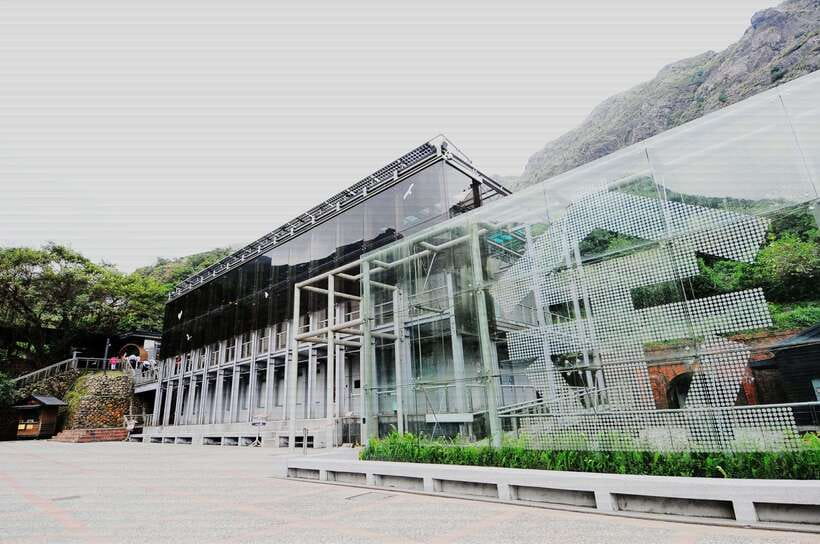
The Gold Building is the natural starting point because it gives you the basic story of Jinguashi mining. Its first floor presents a model of the Benshan tunnels, mining equipment, and information about the World War II Allied prisoner-of-war camp connected with the area.
The tunnel model is useful because it gives you a sense of scale before you enter the real Benshan No. 5 Tunnel. Mining can be hard to picture from dates and diagrams alone. A model helps you understand how far underground workers went and how tightly the operation was organized.
The first floor also brings in a difficult part of the site’s past. The reference to the Allied prisoner-of-war camp adds wartime history to the mining story. It reminds you that Jinguashi was not only a place of industrial labor. It was also caught up in the events and hardships of the twentieth century.
The second floor changes tone. Here, gold becomes the visual focus, and you can touch a gold brick. This simple action is one of the best parts of the visit. Gold often feels distant, locked away in a display case. Being able to place your hand on it gives the subject a physical sense of weight and value.
The gold brick also helps explain why this area mattered. You do not need a long lecture to understand that mining involved effort, machinery, risk, and a valuable reward. The object makes that point quickly.
On the third floor, you can take part in a gold panning experience. The activity is presented through an interactive exhibit, giving you a chance to understand the basic idea behind separating gold from river material. It is a good feature for families, since it breaks up the reading and adds something to do with your hands.
Do not expect a full outdoor prospecting trip. This is part of the museum experience, using interactive technology and displays. Still, it gives the subject more energy than a static photograph of a pan.
Walk through Benshan No. 5 Tunnel
The renovated Benshan No. 5 Tunnel is one of the most important stops because it shifts the story from explanation to place. You can walk through a mining tunnel and get a clearer idea of the environment in which miners worked.
The tunnel is not presented as a dramatic amusement attraction. Its value is more direct. You are looking at a working space shaped by extraction, and that makes the labor behind the gold easier to understand.
I would visit the tunnel after the Gold Building. The model and equipment give you a useful introduction, then the tunnel lets you connect those details with an actual underground setting. The sequence works well even if you know little about mining before arriving.
This stop may be less comfortable for anyone who dislikes enclosed spaces. The supplied information does not give details about the tunnel’s length or conditions, so you should treat it as a historic mine passage rather than assume a long underground tour.
See Japanese architecture in the Four Joined Residence
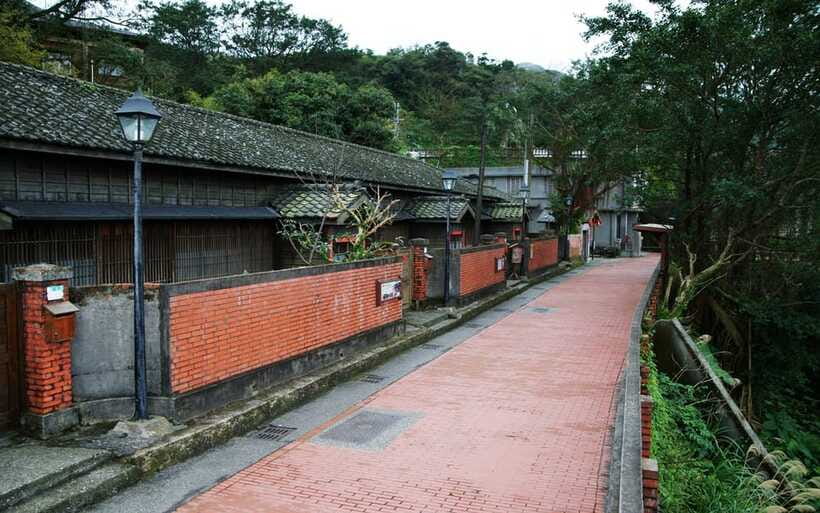
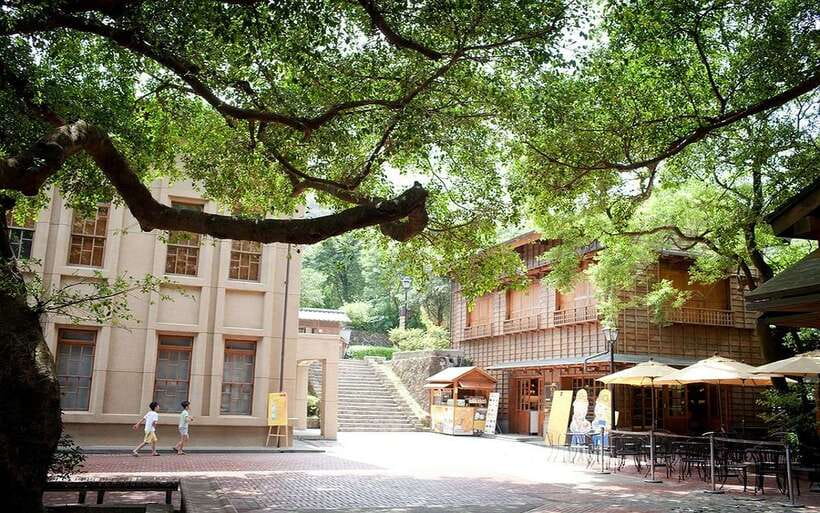
The Four Joined Japanese-Style Residence offers a different kind of history. Instead of machinery and mine shafts, you see a wooden residential building with a delicate structure and layered wall boards.
Only a small number of buildings of this type remain in Taiwan, which makes the residence important beyond its appearance. Its design reflects the Japanese period of Jinguashi’s development and shows how architecture can preserve social history.
The interior has been adapted into a display and living art experience space. That means you are not simply peering into an empty old house. The building is being used to help you imagine how its rooms functioned and how a residential setting can become part of a museum.
The wooden construction is likely to be a highlight for anyone who enjoys traditional buildings. It has also been used as a filming location, a detail that helps explain its visual appeal. The building has the kind of careful proportions and aged surfaces that make photographs tempting, though the real value is seeing how the structure fits into the wider museum grounds.
You need a hand stamp to enter this building. Redeem your ticket at the museum entrance before setting off, since access to the Four Joined Residence and the other main buildings depends on that stamp.
More city sightseeing in Taipei:
- Full-Day Private Custom Taipei City Tour
★ 5.0 · 911 reviews - 4-Hour Morning Cycling City Tour (incl. breakfast)
★ 5.0 · 407 reviews - Taipei: 4-Hour Morning City Cycling Tour with Breakfast
★ 4.7 · 275 reviews - Private Car: 8 Hour Highly Customized Taipei City Exploration!
★ 5.0 · 164 reviews
Gold Refining Building adds film and interactive exhibits
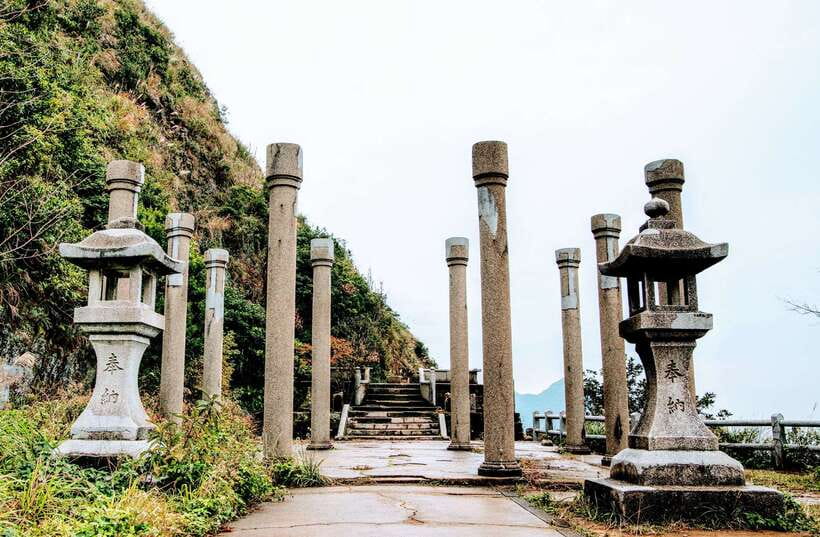
The Gold Refining Building gives the visit another layer by combining a small special exhibition hall, a film, and a digital activity.
On the first floor, the film Kin-San’s Life in a Mountain Town introduces early mining and daily life in the area. This is a useful pause in the day. Museum displays can give you facts, but a film can show the human side of a mountain town more clearly.
I would make time for it if you want to understand what mining meant beyond the mine itself. The title points toward ordinary life, and that focus is important. A town built around mining includes homes, routines, work, and community, not only ore and equipment.
The second floor returns to gold panning through a multimedia interactive experience. It gives you a second chance to engage with the process, this time through digital presentation. Some people may find the repeated focus on panning unnecessary after the Gold Building. Families and younger visitors, however, may appreciate the variety.
The building is also one of the four locations covered by the entrance hand stamp. It is worth checking that your ticket has been exchanged before you begin visiting the individual buildings.
Metal Art Building shows gold beyond mining
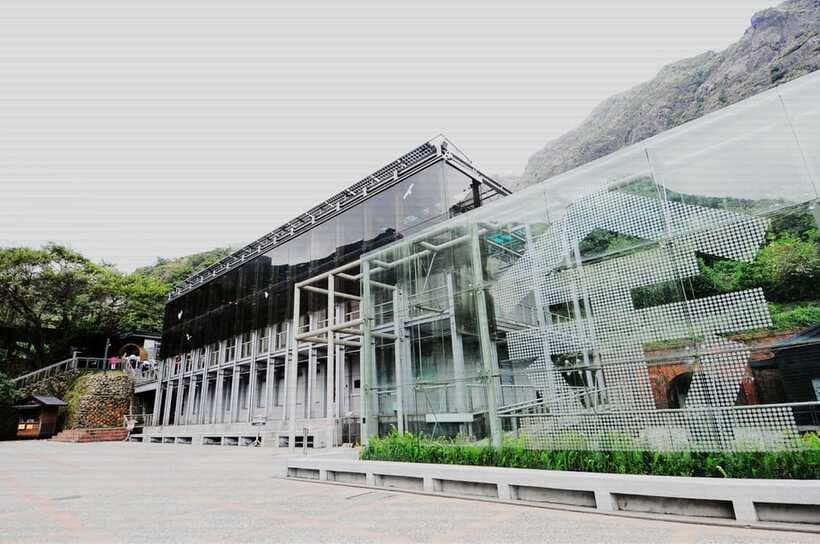
The Metal Art Building broadens the subject from gold extraction to the artistic use of metal. Its collection includes traditional gold ornaments, metal craft pieces, and profiles of Taiwanese gold and metal artists.
This stop matters because it shows what happens after the raw material leaves the mine. Gold is not only a commodity. It can become jewelry, decoration, craftsmanship, and an expression of personal style.
The exhibits use digital technology alongside objects. That combination may help you understand the design choices and techniques behind the pieces, rather than seeing the collection only as a display of valuable materials.
I would not rush through this building. The mining exhibits explain how gold was found and processed. The Metal Art Building asks a different question: how do people turn metal into something beautiful or meaningful?
It is also a good contrast to the older architecture outside. The residence and chalet show historical building traditions, while the metal collection focuses on craft and creative work. Together, they make the museum feel broader than its name might suggest.
Crown Prince Chalet and its Japanese garden
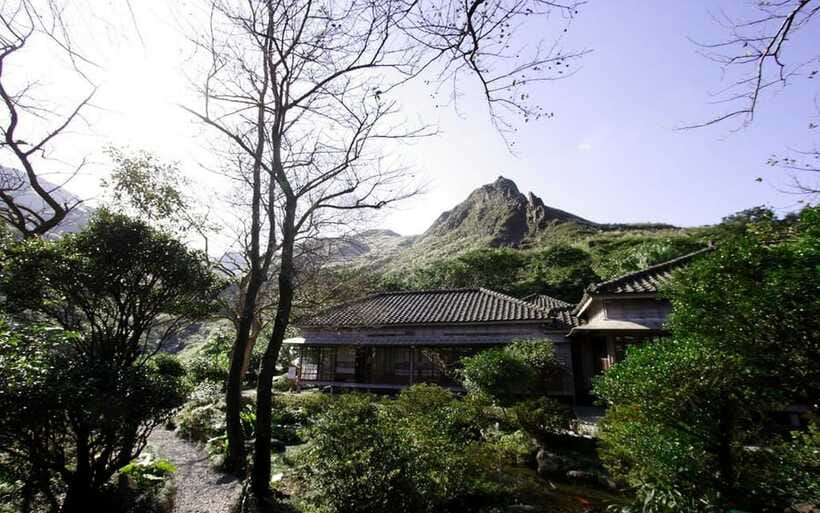
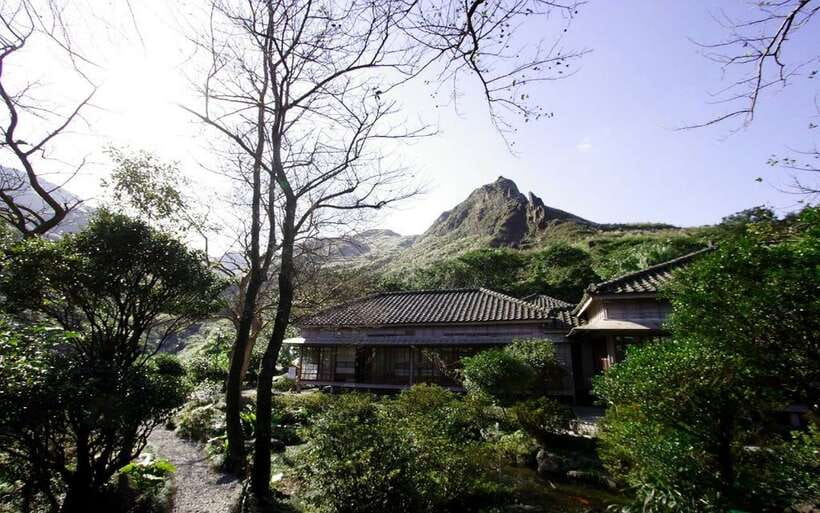
The Jinguashi Crown Prince Chalet dates from 1922. It was built for a planned visit by Crown Prince Hirohito to inspect the local mining industry.
The building is described as a high-class Japanese structure with Western design features. That blend gives you another way to read Jinguashi’s past. The chalet was not a miners’ residence or a production building. It represented status, administration, and the political importance attached to the mining area.
The north side has a Japanese garden. The south side includes a miniature golf course and an archery field. These details show how the site was designed for formal hospitality as well as inspection.
I like the change of pace here. After the tunnel, machinery, and gold displays, the garden lets you slow down and look at the architecture and outdoor setting. The grounds are described as tranquil, and this is one of the places where that quality is easiest to appreciate.
The chalet also needs to be understood in context. It is attractive, but its purpose was connected to hierarchy and colonial administration. The building is worth seeing for its design, yet the surrounding mining exhibits help keep the visit from becoming only an appreciation of an elegant residence.
The Good Earth connects geology and ecology
The Good Earth exhibition uses the idea of Mother Earth, Gaia, to represent the abundance of the mine. Its permanent display, Clairvoyance of the Mine, connects the area’s minerogenetic geology, coastal hills, ecology, and mining culture.
This is one of the museum’s more thoughtful sections. Gold mining can be presented as a simple story of discovery and wealth. This exhibition gives you a wider picture, showing that the mine existed within a living environment.
The word minerogenetic refers to the geological processes that create minerals. You do not need a technical background to appreciate the main point: the rocks beneath Jinguashi helped shape the town above them.
I would place this exhibition before or after the main mining buildings, depending on how you like to learn. Seeing it first gives you a framework for the rest of the museum. Seeing it later helps you connect the geology and ecology with the machinery, tunnels, and human stories you have already encountered.
How much value do you get for $2.54?
At roughly $2.54 per person, the ticket offers strong value. You are not paying for a short single-room museum. The admission covers access to a group of buildings and exhibits spread across the Gold Museum complex, valid for one day.
The value is especially good if you enjoy mixing activities. You can see historical objects, touch the gold brick, try interactive panning, watch a film, walk through a mine tunnel, and inspect Japanese-style buildings. Few of these features would carry a high admission price on their own, but together they create a full visit.
Children aged 0 to 12 enter free, and seniors aged 65 or older also enter free. That makes the site particularly practical for families and multigenerational groups.
The ticket does not include hotel pickup or drop-off. It is an admission ticket, not a transport package or guided tour. You should plan your own way to New Taipei City and allow enough time for the museum grounds once you arrive.
You can cancel up to 24 hours in advance for a full refund, and the reserve-now, pay-later option gives you some flexibility while planning. These terms are useful, but the main value remains the amount of content available for a modest price.
Who will enjoy the museum most?
I would recommend this experience to anyone interested in Taiwan’s mining past, Japanese architecture, industrial museums, or hands-on exhibits.
Families have several reasons to come. Children can see the gold brick, try the panning displays, and move between buildings rather than spend the whole visit reading wall panels. The free admission for children aged 0 to 12 also keeps the cost down.
History-minded visitors will appreciate the mix of mining, wartime, Japanese, and local social history. Architecture fans should allow extra time for the Four Joined Residence and Crown Prince Chalet.
The museum may be less satisfying if you want a guided explanation at every stop. The ticket gives you entry, not a named guide or a scheduled tour. You will need to read, watch, and connect the displays yourself.
It also may not suit someone looking for a fast attraction. The complex rewards a slower visit. If you have only a few minutes, you may see the gold brick and one or two buildings, but you will miss the way the different parts support one another.
Practical plan for a one-day visit
Start at the entrance and exchange your ticket for the required hand stamp. This step matters because the stamp provides entry to the Gold Building, Metal Art Building, Gold Refining Building, and Four Joined Japanese-Style Residence.
Then visit the Gold Building first. Begin with the tunnel model, equipment, and prisoner-of-war camp information before moving upstairs to the gold brick and the panning exhibit.
Next, walk through Benshan No. 5 Tunnel while the mining story is fresh. Continue to the Gold Refining Building for the film and second interactive panning display.
After that, visit the Metal Art Building and the Four Joined Residence. Finish with the Crown Prince Chalet and its garden if you prefer to end with quieter surroundings.
Leave time for The Good Earth exhibition wherever it fits your pace. Since the ticket is valid for one day, you do not need to treat the museum like a short stop between other attractions.
Should you book the Gold Museum ticket?
I would book it if you want an affordable, self-guided day built around gold mining, Japanese-era buildings, and interactive museum displays. The low price and wide range of exhibits make this one of the better-value cultural admissions in New Taipei City.
Book with realistic expectations. You will not receive hotel transport or a personal guide, and some exhibits require you to read or watch carefully to get the full story. But if you are happy to explore at your own speed, the museum gives you far more than a single gold display.
The ticket is an especially good choice for families, older visitors who qualify for free entry, and anyone who likes history with something tangible to see and do. Touch the gold, walk the tunnel, study the woodwork, and give the town’s mining story enough time to take shape.
FAQ
How long is the Gold Museum ticket valid?
The ticket is valid for one day. You can explore the museum complex during that day at your own pace.
What does the ticket include?
It includes entry to the Gold Museum in Jinguashi, New Taipei City.
Do I need to exchange the ticket at the entrance?
Yes. Redeem the ticket with museum staff at the entrance and receive a hand stamp.
Which buildings require the hand stamp?
The hand stamp provides entry to the Four Joined Japanese-Style Residence, Metal Art Building, Gold Refining Building, and Gold Building.
Can I touch real gold at the museum?
Yes. A gold brick on the second floor of the Gold Building can be touched.
Is gold panning part of the experience?
Yes. Gold panning is available through interactive and multimedia exhibits in the Gold Building and Gold Refining Building.
Do children enter free?
Children aged 0 to 12 can enter free of charge.
Do seniors enter free?
Yes. Seniors aged 65 or older can enter free of charge.
Just added in Taipei
- Taipei: 8 Hours Private Day Tour in Wulai with Benz Vito★ 4.4 · 5 reviews
- Vintage Taipei – Best of Taiwan and Sunset Walking Tour★ 5.0 · 4 reviews
- One Day Tour of Yilan, Zhang Mei Ama Farm★ 5.0 · 2 reviews
- Yilan Whale Watching and Animal Farm Private Tour from Taipei★ 5.0 · 1 review
- Yilan Rural Tea Picking Experience from Taipei City★ 5.0 · 1 review
- Yilan 1-Day Private Tour to Kavalan Whisky & Cultural Gems★ 4.5 · 3 reviews
- Yilan Kavalan Whisky Distillery,Jim&Dad’s Brewing, Shenkeng Tour★ 5.0 · 1 review
- Yangmingshan National Park & Hot Spring Tour (afternoon )★ 3.0 · 2 reviews
Museums, compared.
Taipei City Morning Tour with National Palace Museum entry
Read our review →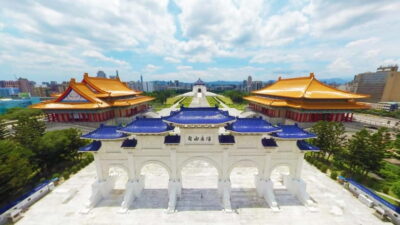
Morning City Tour with National Palace Museum Entry
Read our review →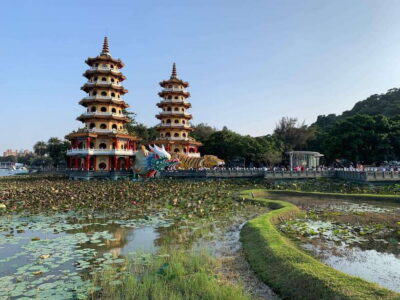
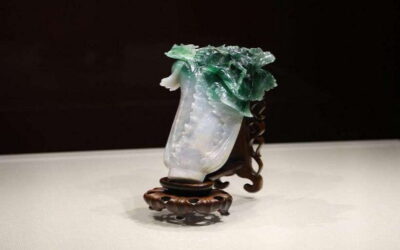
National Palace & Shung Ye Aborigines Museums Ticket
Read our review →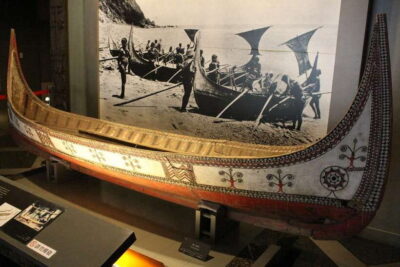
National Palace Museum and Taiwan Aborigines Museum
Read our review →
Browse the lists this tour appears in