
Review · MUSEUMS
Taipei: National Palace & Shung Ye Aborigines Museums Ticket
Ancient treasures meet living Indigenous culture. This one-day ticket pairs Taipei’s National Palace Museum, home to thousands of years of Chinese art, with the smaller Shung Ye Museum of Formosan Aborigines. I like the sharp contrast between imperial court objects and Taiwan’s Indigenous traditions, and I like the simple QR-code entry that gets you inside without waiting at the ticket counter. The main catch is that the Shung Ye Museum is quite small, so you may finish it in about 30 minutes.
The $12 price is fair for two museums and permanent and special exhibit access, especially if you plan to spend several hours at the National Palace Museum. You get admission only, though, so you’ll need to arrange your own transport, food, and interpretation.
In This Review
- Key points to know before you go
- Why these two Taipei museums work well together
- Starting with 5,000 years at the National Palace Museum
- How to handle the National Palace Museum without museum fatigue
- Shung Ye Museum and Taiwan’s 14 Indigenous tribes
- A practical one-day plan for the two museums
- Is $12 good value?
- Who will enjoy this museum combination most?
- My recommendation: book it if you want two sides of Taiwan
- FAQ
- What does the ticket include?
- How long is the ticket valid?
- How much does the experience cost?
- Does the ticket include a guided tour?
- Does the ticket include transportation?
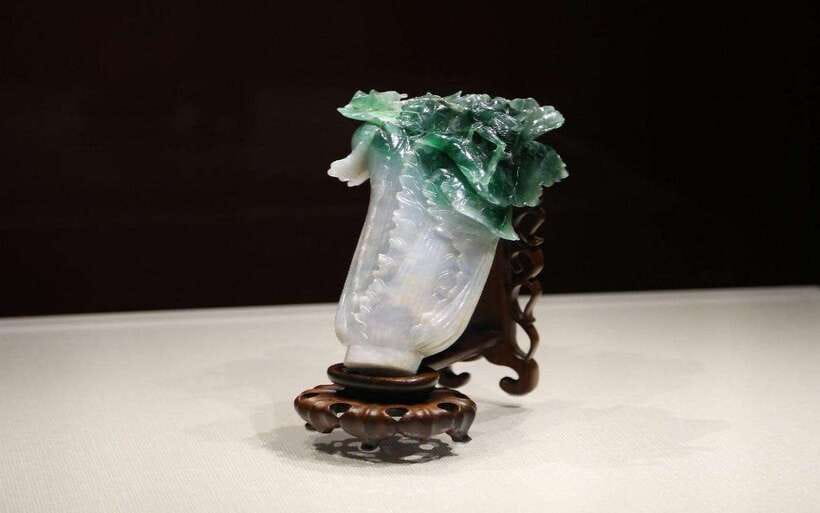
- Can I see the Jadeite Cabbage?
- Can I see the Meat-Shaped Stone?
- Are food and drinks allowed inside?
- Is flash photography permitted?
- Is the experience wheelchair accessible?
- Can I cancel the booking?
- Can I reserve now and pay later?
Key points to know before you go
- Two very different museums: See Chinese imperial art at the National Palace Museum, then learn about Taiwan’s 14 recognized Indigenous tribes at Shung Ye.
- The Jadeite Cabbage and Meat-Shaped Stone: These famous objects are among the National Palace Museum’s best-known sights, though particular displays can change.
- A huge collection: The National Palace Museum covers more than 5,000 years of Chinese art and history, with bronze vessels, calligraphy, and other objects.
- A quick second stop: Shung Ye is much smaller and narrower in focus. Around 30 minutes may be enough for a brisk visit.
- Useful ticket flexibility: The ticket is valid for one day, offers skip-the-ticket-line entry, and can be canceled up to 24 hours ahead for a full refund.
- Plan for limited access: Wheelchair accessibility is limited, and the experience is not suitable for wheelchair users according to the activity information.
Why these two Taipei museums work well together
At first, the pairing may seem uneven. The National Palace Museum is a major institution with an enormous collection, while Shung Ye is a modest specialist museum. That difference is exactly what makes the day worthwhile.
The National Palace Museum shows the long artistic and political story of Chinese civilization through objects made for emperors, scholars, religious settings, and daily life. Shung Ye shifts the focus to Taiwan itself, showing the clothing, tools, ceremonies, and artwork of Indigenous peoples whose cultures developed on the island.
I like this combination because it keeps you from seeing Taiwan through only one historical lens. You get the grandeur of imperial China, then a closer look at the island’s own Indigenous cultures. The two museums also differ in scale and pace, making it easy to spend your energy where it matters most.
This is not a guided tour. You explore independently, which gives you freedom but also places the burden of planning and interpretation on you. If you enjoy setting your own pace, that is a plus. If you want a detailed explanation of every room, you may want to add an audio guide at the National Palace Museum if one is available.
More museums and galleries in Taipei:
- Taipei: National Palace Museum E-Ticket
★ 4.4 · 273 reviews - Taipei City Morning Tour with National Palace Museum entry
★ 4.0 · 232 reviews - Taipei: Morning City Tour with National Palace Museum Entry
★ 4.6 · 173 reviews
Starting with 5,000 years at the National Palace Museum
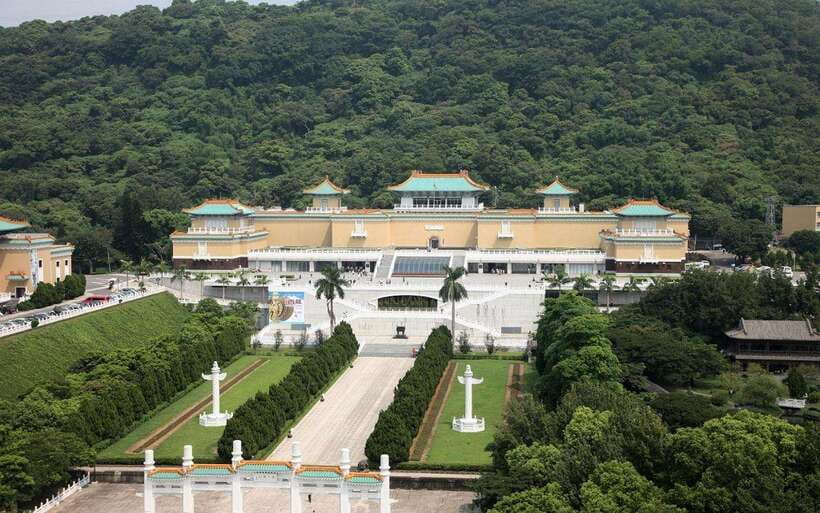
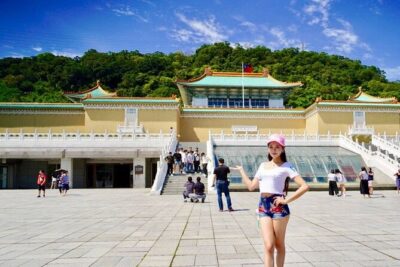
Plan to give the National Palace Museum the larger share of your day. Its collection spans more than 5,000 years of Chinese history, so even a quick visit can feel full. A slower visit gives you time to notice how materials, styles, and uses changed across different periods.
The museum is known for its large collection of ancient Chinese artifacts and artwork. You can expect bronze ritual vessels, calligraphy scrolls, carved jade, and objects connected with court life and scholarship. The range is wide enough that you may move from a delicate work of writing to a heavy ceremonial vessel within a few minutes.
That sheer amount of material is both the museum’s strength and its main challenge. You cannot see everything well in one visit. I recommend choosing a few themes rather than trying to inspect every case. Focus on the famous pieces first, then follow your interest through nearby displays.
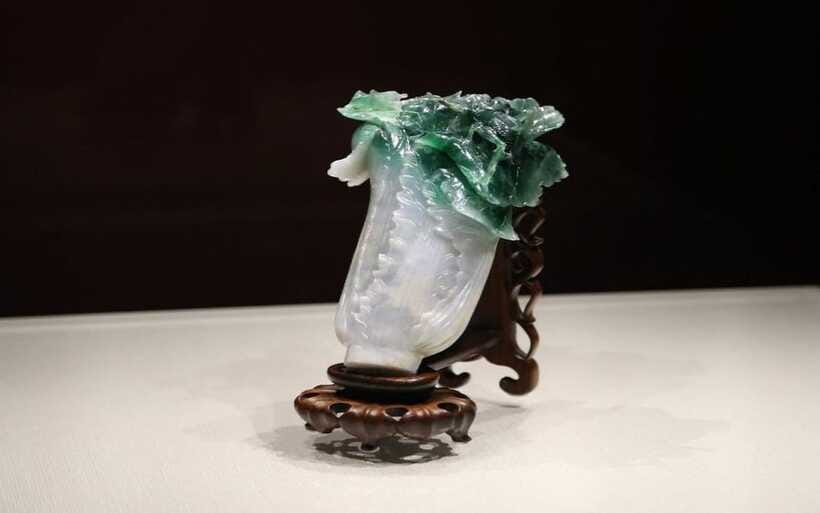
The Jadeite Cabbage is the obvious starting point for many people. This small jade carving is famous for its careful use of the stone’s natural colors, which form the cabbage leaves and other details. It is an easy object to understand at a glance, but its appeal comes from looking closely at how much detail the carver drew from a single piece of jade.
The Meat-Shaped Stone offers a very different kind of surprise. Its layered colors and textured surface make it resemble a piece of cooked pork. It is a reminder that palace art was not always grand or solemn. A small object could also show technical skill, wit, and a keen eye for ordinary things.
These two objects are popular for good reason, but do not stop there. The bronze ritual vessels show the importance of ceremony and authority in early Chinese society. Calligraphy scrolls reveal how writing could be treated as a serious art form, not simply a way to record information.
The museum’s layout is manageable despite the size of the collection. That matters because a huge museum can easily become tiring and confusing. Here, you can move through the major displays without feeling that you have entered an endless warehouse of objects.
Still, expect some crowding around the most famous pieces. Give yourself time and do not judge the whole museum by a single display. The best experience comes from slowing down after you have seen the headline objects.
How to handle the National Palace Museum without museum fatigue
Begin with the items you most want to see. The Jadeite Cabbage and Meat-Shaped Stone are sensible priorities, followed by the bronze vessels and calligraphy displays. After that, choose rooms based on your interests instead of following a mission to see every object.
An audio guide can help you make sense of the collection. One detailed assessment of the visit specifically recommended using one because the number of outstanding works can feel overwhelming. That is practical advice, especially if you do not already know the major periods of Chinese art.
You should also allow time simply to look. The museum’s appeal is not only its famous objects. It is the chance to compare materials, artistic methods, and ideas across thousands of years. Even a short pause in front of one calligraphy scroll can add more to your visit than racing through ten rooms.
Photography rules are simple but important. Flash photography is not allowed inside either museum. Food and drinks are also not allowed in the exhibit areas, so finish your snack before entering the galleries.
The ticket includes permanent and special exhibits, which improves the value when a temporary display is running. The available exhibits can change, so check the day’s information before deciding how much time you need.
Shung Ye Museum and Taiwan’s 14 Indigenous tribes
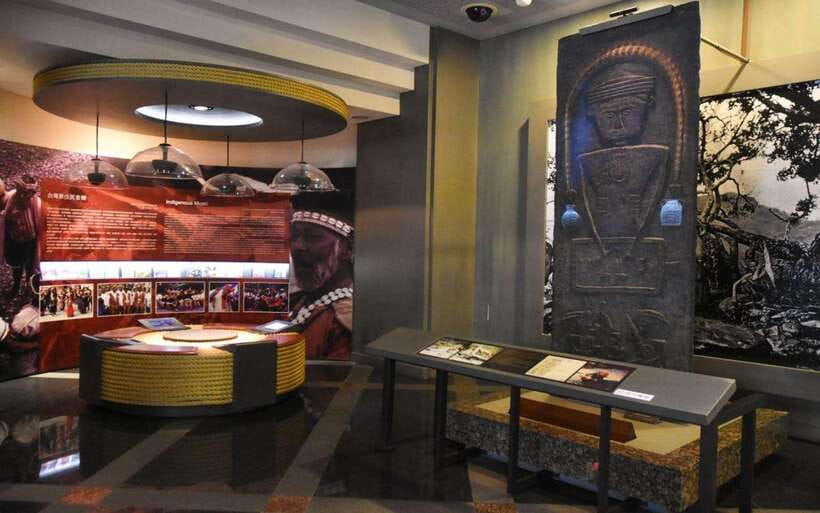
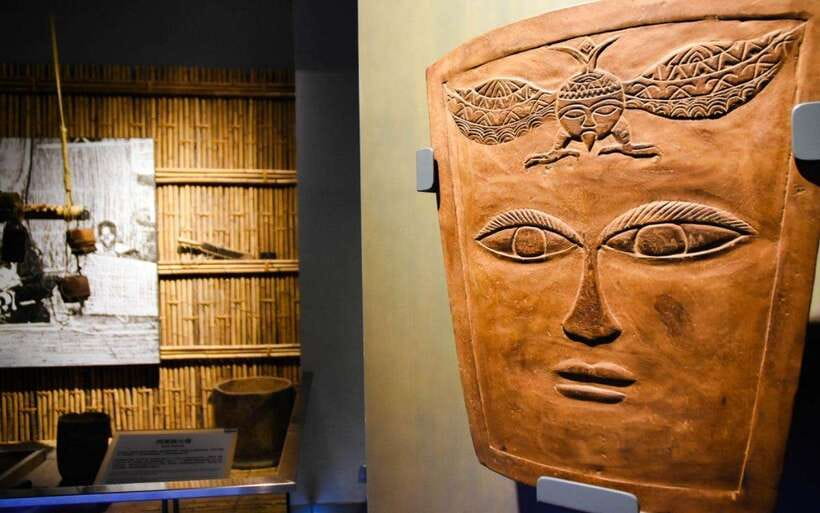
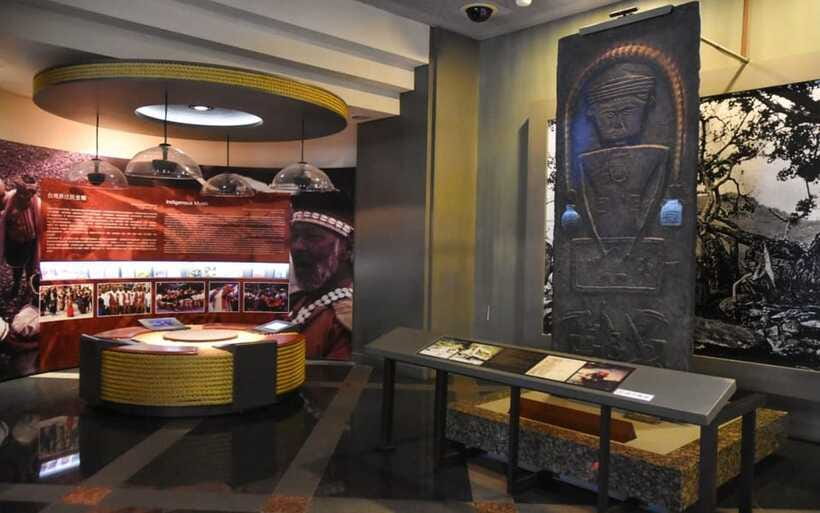
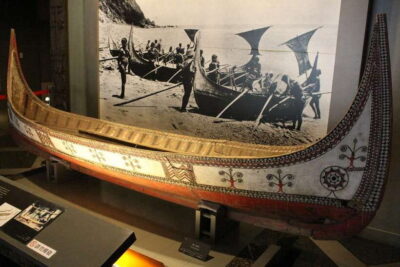
After the National Palace Museum, Shung Ye provides a smaller and more focused experience. It presents the history and culture of Taiwan’s 14 recognized Indigenous tribes through objects and displays connected with daily life, ceremonies, work, and artistic expression.
You may see traditional clothing, hunting tools, ceremonial objects, tribal arts, and handicrafts. These objects give you a more direct sense of how material culture reflects community life. Clothing can show identity and status. Hunting tools can point to local skills and ways of living. Ceremonial objects can explain beliefs and social customs that are not visible in a standard art museum.
The museum also uses multimedia displays to explain Indigenous traditions and lifestyles. That helps bring context to the objects, particularly if you do not know much about Taiwan’s Indigenous peoples before arriving.
Shung Ye is not a second National Palace Museum. Its collection is much smaller, and the visit is likely to feel narrower in scope. A quick circuit may take about 30 minutes, although you can stay longer if you read every display and spend time with the multimedia material.
That shorter visit is not necessarily a weakness. After several hours of imperial art, a compact museum can be a welcome change. You can focus on the objects and themes without needing another half-day.
I consider Shung Ye especially important because it broadens the story of Taiwan. The displays address Indigenous cultures that have suffered from colonialism and occupation. The museum does not replace direct contact with Indigenous communities, but it gives you useful historical and cultural context before you encounter other parts of Taiwan.
If you have limited time, do not skip the museum simply because it is small. Its value lies in its subject, not its size. If you are mainly interested in Chinese imperial art, however, you may find the National Palace Museum more rewarding.
More things to do in Taipei:
- From Taipei: Shifen, Jiufen, and Yehliu Guided Day Trip
★ 4.6 · 1,654 reviews - Full-Day Private Custom Taipei City Tour
★ 5.0 · 911 reviews - From Taipei: Yehliu, Jiufen, and Pingxi Day Tour
★ 4.7 · 892 reviews - Taipei: Jiufen Night View and Shifen Day Tour
★ 4.6 · 870 reviews
A practical one-day plan for the two museums
The ticket is valid for one day, so you can organize the schedule around your own pace. The suggested order begins at the National Palace Museum and continues to Shung Ye. That makes sense because the National Palace Museum requires more time and attention.
Start early enough to give the larger museum several hours. See the famous jade objects first, then visit the bronze, calligraphy, and other permanent displays. Build in a pause before moving on, since the collection can become tiring when taken at full speed.
Set aside roughly 30 minutes as a minimum for Shung Ye. Add more time if you want to read the historical material and watch the multimedia presentations carefully. The two museums offer different levels of detail, so do not expect equal visiting times.
No hotel pickup or drop-off is included. Transportation is also not listed as part of the ticket, so you must make your own way between your accommodation and the museums. Food and drinks are not included either.
The ticket uses skip-the-ticket-line access. A verified booking review also described entry as easy by scanning a QR code at the entrance. Keep the code ready on your phone, and remember that easy admission does not mean every gallery will be quiet.
Is $12 good value?
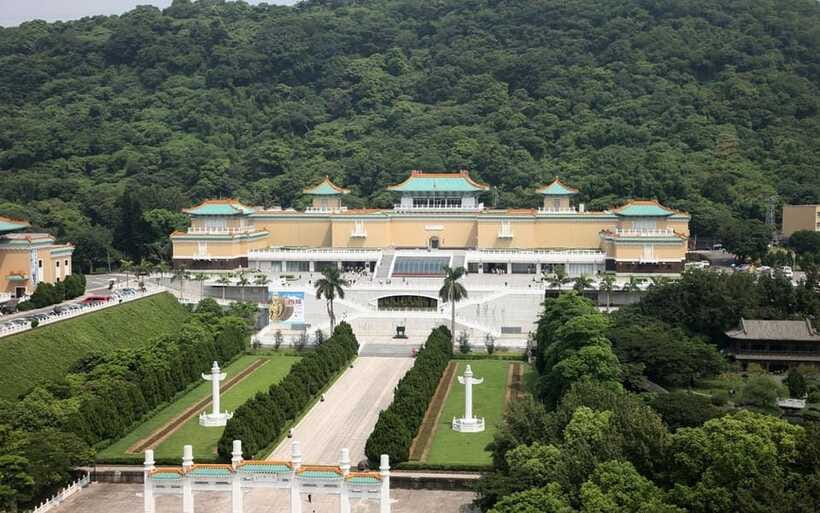
At $12 per person, this is a reasonably priced culture day. The National Palace Museum alone can justify much of the cost if you spend several hours there, and Shung Ye adds a second perspective without requiring a separate admission purchase.
The value is strongest for people who want both museums. If you plan to visit only the National Palace Museum and have little interest in Indigenous culture, a single-museum ticket may suit your plans better. If you are curious about both sides of Taiwan’s cultural story, the combined ticket saves you the trouble of buying two admissions.
You also receive access to permanent and special exhibits. That is useful if a temporary exhibition is showing during your visit. Since no guide, meals, or transportation are included, keep those extra costs in your overall budget.
The reserve-now-and-pay-later option may help if your itinerary is still changing. Free cancellation is available up to 24 hours in advance for a full refund. Check the selected date and entry details before you book, since the ticket is valid for one day.
Who will enjoy this museum combination most?
I would recommend it to first-time visitors who want a serious introduction to Taiwan’s art and culture. It suits couples, independent sightseers, families with older children, and anyone who prefers museums to tightly scheduled group tours.
History and art fans will get the most from the National Palace Museum. People interested in Indigenous cultures will appreciate the Shung Ye Museum’s focused displays and multimedia material.
The experience is less suitable if you want a guide, a meal, or door-to-door transport. It is also not suitable for wheelchair users according to the stated accessibility information, and wheelchair access is limited inside the museums.
You should also be realistic about the pace. The National Palace Museum can feel overwhelming because its collection is so large. The answer is not to rush. Pick a few priorities, use an audio guide if available, and accept that one day will show you only part of what is there.
My recommendation: book it if you want two sides of Taiwan
Book this ticket if you want more than a quick look at famous Chinese treasures. The National Palace Museum gives you the scale, craftsmanship, and long chronology of Chinese art. Shung Ye adds Taiwan’s Indigenous voices and makes the day feel less one-dimensional.
The best reason to book is the contrast. The strongest caution is also the contrast: one museum is huge, the other is small. Expect to spend most of your time at the National Palace Museum, and treat Shung Ye as a focused companion visit rather than an equal-sized attraction.
For $12, the pairing offers solid value, easy QR-code entry, and enough flexibility to fit into a full day. I would choose it for an independent cultural outing, especially if you are willing to slow down for the major objects and give the smaller museum the attention its subject deserves.
FAQ
What does the ticket include?
It includes admission to the National Palace Museum and the Shung Ye Museum of Formosan Aborigines, along with access to permanent and special exhibits.
How long is the ticket valid?
The ticket is valid for one day.
How much does the experience cost?
The listed price is $12 per person.
Does the ticket include a guided tour?
No. Guided tours are not included.
Does the ticket include transportation?
No. Hotel pickup, hotel drop-off, and transportation are not included.
Can I see the Jadeite Cabbage?
The National Palace Museum is known for the Jadeite Cabbage, and it is listed as one of the highlights. Displays can change, so check current exhibit information on the day of your visit.
Can I see the Meat-Shaped Stone?
The Meat-Shaped Stone is also listed as a National Palace Museum highlight. As with other museum objects, its display may be subject to exhibit changes.
Are food and drinks allowed inside?
Food and drinks are not allowed inside the exhibit areas.
Is flash photography permitted?
No. Flash photography is not allowed inside the museums.
Is the experience wheelchair accessible?
Wheelchair accessibility is limited, and the activity is listed as not suitable for wheelchair users.
Can I cancel the booking?
Yes. You can cancel up to 24 hours in advance for a full refund.
Can I reserve now and pay later?
Yes. The booking option allows you to reserve your place and pay later, which can help keep your plans flexible.
Just added in Taipei
- Taipei: 8 Hours Private Day Tour in Wulai with Benz Vito★ 4.4 · 5 reviews
- Vintage Taipei – Best of Taiwan and Sunset Walking Tour★ 5.0 · 4 reviews
- One Day Tour of Yilan, Zhang Mei Ama Farm★ 5.0 · 2 reviews
- Yilan Whale Watching and Animal Farm Private Tour from Taipei★ 5.0 · 1 review
- Yilan Rural Tea Picking Experience from Taipei City★ 5.0 · 1 review
- Yilan 1-Day Private Tour to Kavalan Whisky & Cultural Gems★ 4.5 · 3 reviews
- Yilan Kavalan Whisky Distillery,Jim&Dad’s Brewing, Shenkeng Tour★ 5.0 · 1 review
- Yangmingshan National Park & Hot Spring Tour (afternoon )★ 3.0 · 2 reviews
Museums, compared.
Taipei City Morning Tour with National Palace Museum entry
Read our review →
Morning City Tour with National Palace Museum Entry
Read our review →
National Palace Museum and Taiwan Aborigines Museum
Read our review →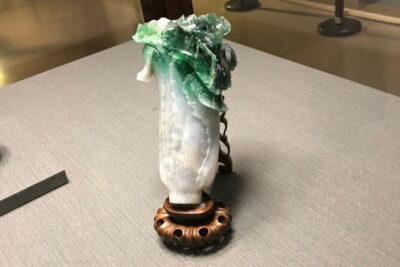

National Palace Museum Northern Branch Taiwan Admission
Read our review →Browse the lists this tour appears in