
Review · NATIONAL PALACE MUSEUM VISITS
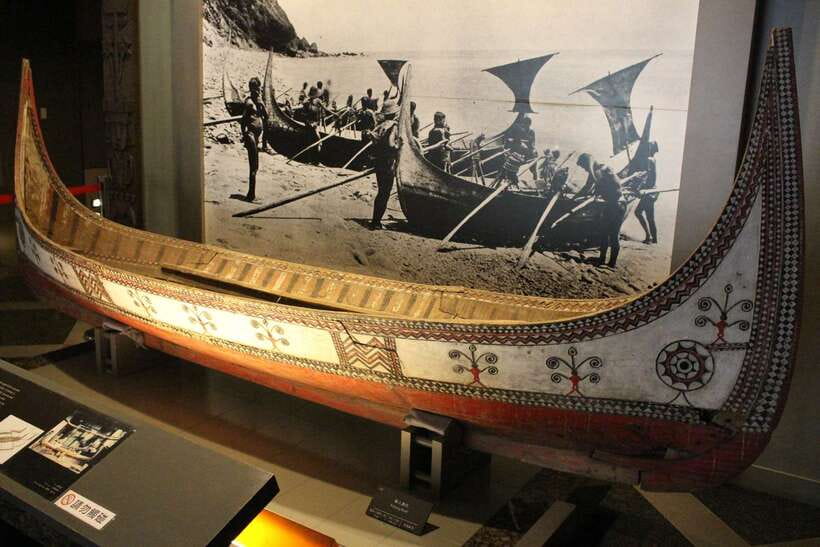
Taipei: National Palace Museum and Taiwan Aborigines Museum
Two museums, one cultural day. This $15 experience pairs the compact Shung Ye Museum of Formosan Aborigines with Taipei’s National Palace Museum, giving you two very different views of Taiwan. I like the clear contrast between Indigenous traditions and 5,000 years of Chinese art, and I like having freedom to set my own pace instead of following a fixed group schedule.
The main consideration is that you must redeem both tickets at Shung Ye first, even though the National Palace Museum is the bigger attraction for most people. Shung Ye is also closed on Mondays, so you need to plan around its Tuesday through Sunday hours.
In This Review
- Key things to know before you go
- Why this two-museum pairing works
- Begin at Shung Ye Museum of Formosan Aborigines
- The short walk to the National Palace Museum
- How to plan your museum time
- Getting there from Shilin Station
- What is included, and what is not
- The cultural contrast is the real highlight
- Who will enjoy this experience most?
- Is $15 good value?
- Practical tips for a better visit
- Should you book this museum day?
- FAQ
- Where do I redeem the tickets?
- What is the meeting point?
- How do I reach Shung Ye Museum by public transport?
- How long is the experience valid?
- What are the museum opening hours?
- Is the audio guide included?
- Can children enter for free?
- Do I need identification?
- Can I bring a camera?
Key things to know before you go
- Start at Shung Ye Museum: Redeem both admission tickets there before walking to the National Palace Museum.
- See the famous jadeite cabbage carving: The National Palace Museum is home to this well-known piece, along with calligraphy, ceramics, and paintings.
- Compare two cultural stories: Shung Ye focuses on Taiwan’s Indigenous peoples, while the National Palace Museum covers Chinese art and court culture.
- Plan for several hours at the larger museum: One visitor spent three to four hours at the National Palace Museum alone.
- Bring identification: You need a passport or ID card to use the tickets.
- Check the audio guide option: Commentary is available for Shung Ye only if you select that option. It is not included for the National Palace Museum.
Why this two-museum pairing works
Taipei has plenty of museums, but these two make a useful pair. Shung Ye introduces you to the people who lived in Taiwan before modern political borders and outside rule shaped the island. The National Palace Museum then shifts your attention to objects connected with Chinese dynasties, scholarship, religion, daily life, and court taste.
I like that the experience does not treat Taiwan as only a branch of Chinese culture. You get a chance to consider Taiwan’s Indigenous communities on their own terms, then look at the Chinese collections that have had such a major influence on Taiwan’s cultural life.
The price is another strong point. At $15 per person, admission to both museums costs less than many single major attractions in large cities. The value is especially good if you plan to spend a full day in the Shilin area and enjoy museums rather than rushing from sight to sight.
Still, this is not a guided tour with a host leading you from display to display. You receive admission and, if selected, an audio guide for Shung Ye. At the National Palace Museum, you are responsible for deciding what to see and how much time to spend.
More museums and galleries in Taipei:
- Taipei: National Palace Museum E-Ticket
★ 4.4 · 273 reviews - Taipei City Morning Tour with National Palace Museum entry
★ 4.0 · 232 reviews - Taipei: Morning City Tour with National Palace Museum Entry
★ 4.6 · 173 reviews
Begin at Shung Ye Museum of Formosan Aborigines
Your first stop must be the Shung Ye Museum of Formosan Aborigines at No. 282, Section 2, Zhi Shan Road, in Taipei’s Shilin District. This is where you redeem both tickets, so do not head directly to the National Palace Museum first.
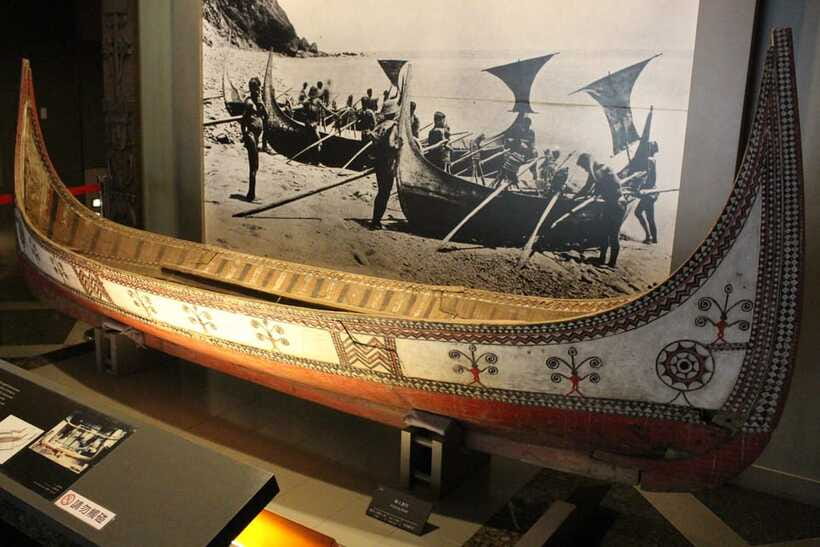
The museum is smaller than the National Palace Museum, but that can work in your favor. You can get a clear introduction to Taiwan’s Indigenous groups without facing hundreds of galleries at once. Exhibits cover clothing, festivals, religions, daily life, and traditional ways of living.
The museum presents information about the tribes that were in Taiwan first, including the many distinct communities that make up the island’s Indigenous population. It is a useful stop for anyone who wants more than a quick mention of Indigenous culture in a general Taiwan history display.
I would allow enough time to read the displays rather than treating Shung Ye as a ticket counter. The museum also screens films in its auditorium. These films offer more information about the current conditions of Indigenous people in Taiwan, which gives the visit a modern social context instead of leaving the subject in the past.
An audio guide is available for Shung Ye if you select that option when booking. Lively commentary can help you understand the objects and customs, especially if you prefer listening to reading. Pay attention to the booking choice, since the audio guide is not automatically included in every option.
One fair criticism is the museum’s size. If you want a large collection or many rooms of objects, you may find Shung Ye brief. Its strength is introduction and focus, not scale.
The short walk to the National Palace Museum
After Shung Ye, walk to the adjacent National Palace Museum. The short transfer makes this pairing easy, since you do not need another train ride or a complicated connection between the two stops.
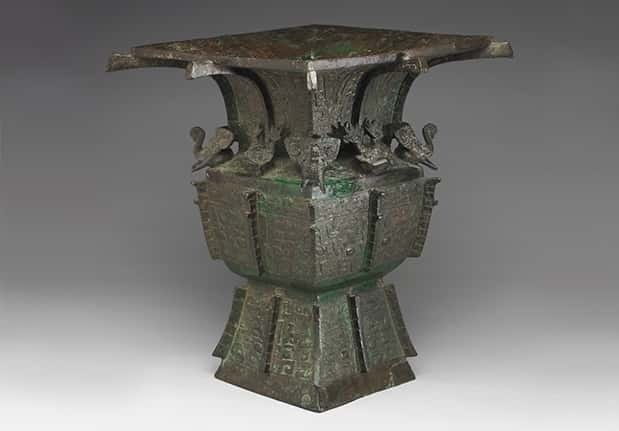
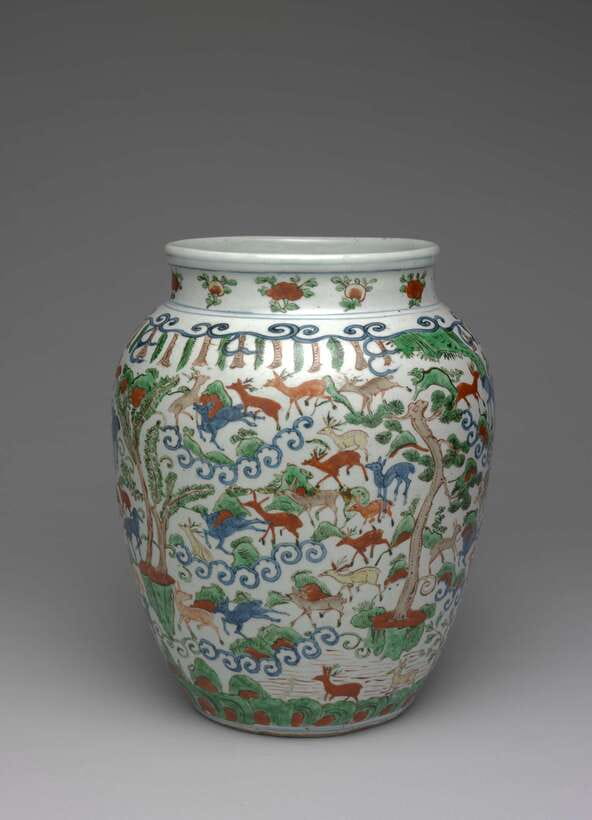
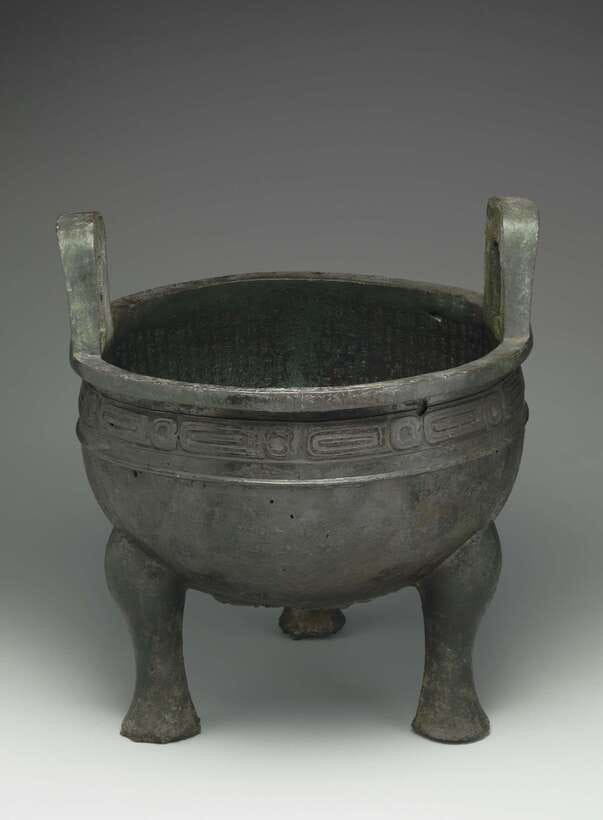
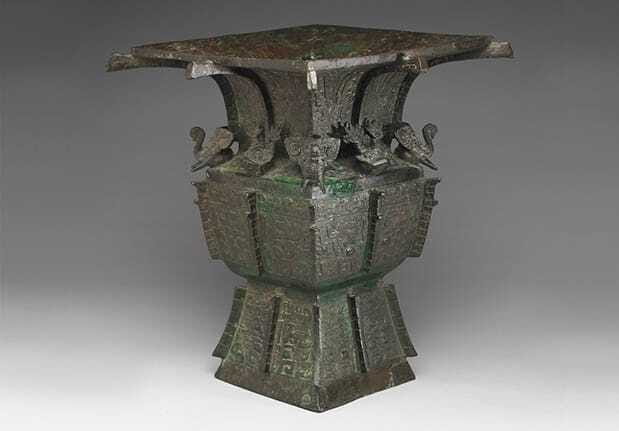
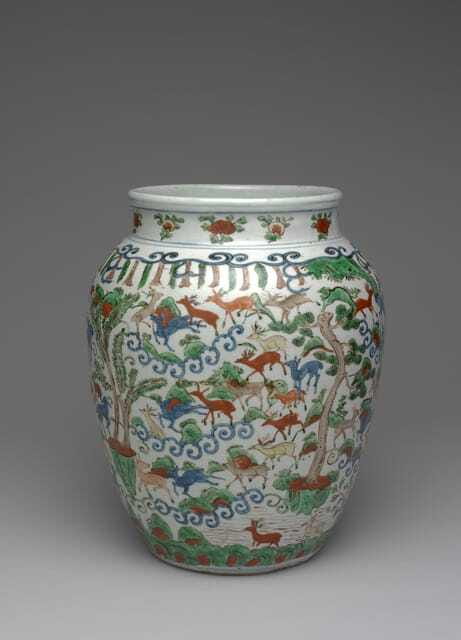
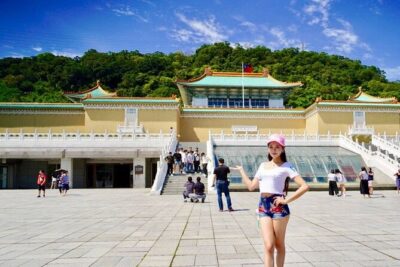
The National Palace Museum is the main event for most people. Its collection contains more than 700,000 pieces of Chinese art, including ceramics, paintings, calligraphy, and other objects connected with Chinese culture across roughly 5,000 years.
That number can sound intimidating. You do not need to see everything, and you could not meaningfully do so in one day. Instead, choose a few sections that match your interests. If you like fine objects, focus on ceramics and jade. If you prefer painting and scholarship, spend more time with calligraphy and paintings.
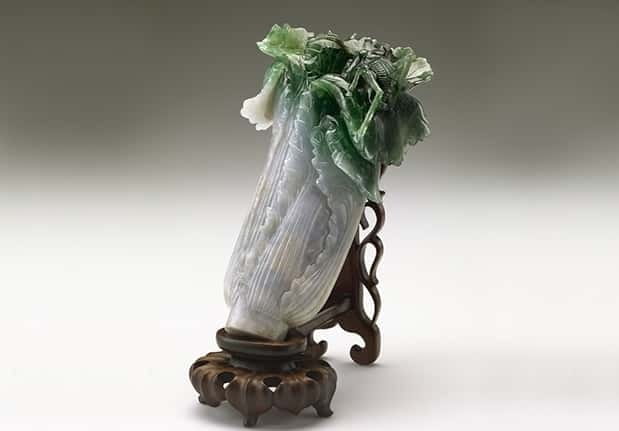
The famous jadeite cabbage carving is one of the objects many people want to see. Its small size can surprise you, especially if you expect a grand sculpture. The pleasure comes from its detail and the way a piece of jade was shaped into a cabbage, complete with delicate forms that reward a close look.
The museum also helps you place individual objects in a long story. Calligraphy is not simply handwriting here. Ceramics are not only household vessels. Paintings can reflect education, ideals, nature, religion, and the tastes of powerful patrons.
One visitor found three to four hours at the National Palace Museum memorable and said the collection felt unlike anything seen in Beijing’s Forbidden Palace. That is a useful way to set your expectations. The museum is not merely a smaller version of a palace complex. Its appeal lies in the objects themselves and the long span of Chinese art they represent.
How to plan your museum time
The National Palace Museum opens earlier than Shung Ye, but your ticket collection begins at Shung Ye. Shung Ye is open from 9 a.m. to 5 p.m., Tuesday through Sunday. The National Palace Museum is open from 8:30 a.m. to 6:30 p.m. on those days, with extended hours until 9 p.m. on Fridays and Saturdays.
Because both museums are closed on Mondays under the stated schedule, Monday is not a suitable day for this experience. Check the available starting times before booking, since the pass is valid for one day but does not force you into a particular pace.
A sensible plan is to arrive at Shung Ye soon after it opens, redeem the tickets, see the Indigenous exhibits, and then move to the National Palace Museum for the bulk of your day. On Friday or Saturday, the later closing time gives you more room, though the most practical schedule still depends on how carefully you read the displays.
I would avoid trying to add too many other major attractions to the same day. The National Palace Museum can easily absorb several hours, and rushing through it defeats the point of paying for a cultural visit.
A completely different kind of day:
- From Taipei: Shifen, Jiufen, and Yehliu Guided Day Trip
★ 4.6 · 1,654 reviews - Full-Day Private Custom Taipei City Tour
★ 5.0 · 911 reviews - From Taipei: Yehliu, Jiufen, and Pingxi Day Tour
★ 4.7 · 892 reviews - Taipei: Jiufen Night View and Shifen Day Tour
★ 4.6 · 870 reviews
Getting there from Shilin Station
The simplest stated public transport route begins at Exit 1 of Shilin MRT Station on Taipei’s red line. From there, take bus 255, S18, or S19, and get off at Wesley Girls High School, also shown as 衛理女中.
The meeting point is Shung Ye Museum, not the National Palace Museum. That detail matters because you must redeem both tickets at Shung Ye before visiting the larger museum.
Bring your passport or ID card. It is a small item, but forgetting it can create a needless problem at the first stop.
The experience is listed as wheelchair accessible. If mobility is important for your plans, you should still consider the order of the museums and the walk between them when deciding how much time you need.
What is included, and what is not
Your admission covers both the National Palace Museum and Shung Ye Museum of Formosan Aborigines. The optional audio guide applies to Shung Ye only.
An audio guide for the National Palace Museum is not included. If you want additional commentary there, you should check separately at the museum rather than assume the pass covers it.
Lockers are not included either. Cameras and filming equipment must be left in onsite lockers, which cost around TWD20 each. The rules also state that cameras and flash photography are not allowed, so pack light and do not count on taking photographs inside the collections.
These restrictions may feel inconvenient if you like documenting every display. They also encourage you to look carefully instead of viewing the museum through a phone screen.
Children under seven enter free. The stated adult price is $15 per person, making the pass particularly attractive for families with older children who can handle several hours of museum time.
The cultural contrast is the real highlight
The best reason to book this experience is not simply the discount. It is the contrast between the two museums.
At Shung Ye, you learn about Taiwan’s Indigenous communities, including their clothing, festivals, belief systems, and ways of life. The auditorium films add a look at present-day conditions, reminding you that these are living cultures and communities, not only subjects from a distant past.
At the National Palace Museum, the focus shifts to Chinese art and civilization. The collection covers thousands of years and includes objects made for practical use, religious life, study, decoration, and imperial settings.
Seeing both in one day lets you ask better questions about Taiwan. What cultural traditions developed on the island? Which artistic forms came through Chinese influence? How should a museum present Indigenous people when their story continues today?
You do not need to answer all of those questions during your visit. But the pairing gives you more context than either museum alone.
Who will enjoy this experience most?
I would recommend this day to you if you enjoy museums, art, history, or cultural comparison. It is a particularly good choice if this is your first visit to Taipei and you want a substantial introduction to both Taiwan and the Chinese artistic traditions represented on the island.
Families can use the freedom to adjust the pace. You can keep the Shung Ye visit focused, then choose only the National Palace Museum galleries that suit your children’s attention span. The free admission for children under seven also helps.
This experience is less suitable if you want a guide, a food tour, or an outdoor activity. It is also not ideal if you dislike historical museums. One visitor found the museum visit acceptable but not especially exciting, which is a fair warning. The collections reward patience and interest in objects, not fast entertainment.
The National Palace Museum can also feel overwhelming because of its size. I suggest choosing a few themes before entering and allowing yourself permission to skip displays. A shorter visit with attention is better than trying to absorb every room.
Is $15 good value?
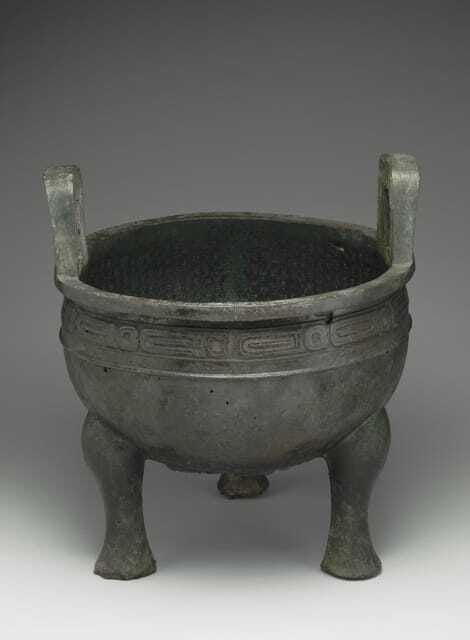
Yes, for most museum lovers. You get admission to two of Taipei’s best-known cultural institutions for $15, and you can spend the day at your own pace. The National Palace Museum alone can occupy three or four hours, while Shung Ye adds a focused introduction to Taiwan’s Indigenous cultures.
The value is strongest when you use the pass as a full cultural day rather than a quick stop. If you only have an hour or two in Taipei, the ticket may not be as useful because the museums are not designed for a rushed visit.
The optional Shung Ye audio guide adds value if you like spoken explanation. Since no National Palace Museum audio guide is included, you should not buy the pass expecting a narrated experience throughout the day.
The free cancellation up to 24 hours in advance and reserve now, pay later option give you some planning flexibility. These details matter if your Taipei schedule is still changing.
Practical tips for a better visit
- Start at Shung Ye because that is where both tickets are redeemed.
- Bring your passport or ID card.
- Use the buses from Shilin Station and get off at Wesley Girls High School.
- Check the day carefully because both museums are closed Mondays under the listed schedule.
- Choose the Shung Ye audio guide if you want commentary there.
- Leave cameras and filming equipment in the onsite lockers.
- Budget around TWD20 per locker.
- Give the National Palace Museum at least several hours if its major collection is your priority.
- Do not try to see all 700,000-plus objects. Pick the subjects that interest you most.
- Consider Friday or Saturday if you want the National Palace Museum’s later closing time.
Should you book this museum day?
Book it if you want a low-cost, self-paced cultural day with real substance. The combination of Taiwan’s Indigenous cultures at Shung Ye and 5,000 years of Chinese art at the National Palace Museum gives you a fuller picture of the island than either stop alone.
I would especially choose it for the strong value, the famous jadeite cabbage carving, and the chance to spend three or four hours with an exceptional collection rather than racing through a short attraction.
Skip it if you want a personal guide, photography, or a lighter sightseeing schedule. But if museums are your thing, $15 for both admissions is hard to fault. Just begin at Shung Ye, bring identification, and leave enough time for the National Palace Museum to make the day worthwhile.
FAQ
Where do I redeem the tickets?
You must redeem both museum tickets at the Shung Ye Museum of Formosan Aborigines before visiting the National Palace Museum.
What is the meeting point?
The meeting point is Shung Ye Museum of Formosan Aborigines, No. 282, Section 2, Zhi Shan Road, Shilin District, Taipei City, Taiwan 111.
How do I reach Shung Ye Museum by public transport?
From Exit 1 of Shilin MRT Station on the red line, take bus 255, S18, or S19. Get off at Wesley Girls High School, also marked 衛理女中.
How long is the experience valid?
The tickets are valid for one day. You should check availability for the available starting times.
What are the museum opening hours?
Shung Ye is open from 9 a.m. to 5 p.m., Tuesday through Sunday. The National Palace Museum is open from 8:30 a.m. to 6:30 p.m., Tuesday through Sunday, and stays open until 9 p.m. on Fridays and Saturdays.
Is the audio guide included?
An audio guide for Shung Ye is included only if you select that option. An audio guide for the National Palace Museum is not included.
Can children enter for free?
Children under seven enter free.
Do I need identification?
Yes. You should bring a passport or ID card.
Can I bring a camera?
Cameras and flash photography are not allowed. Filming equipment must be left in onsite lockers, which cost around TWD20 each.
Just added in Taipei
- Taipei: 8 Hours Private Day Tour in Wulai with Benz Vito★ 4.4 · 5 reviews
- Vintage Taipei – Best of Taiwan and Sunset Walking Tour★ 5.0 · 4 reviews
- One Day Tour of Yilan, Zhang Mei Ama Farm★ 5.0 · 2 reviews
- Yilan Whale Watching and Animal Farm Private Tour from Taipei★ 5.0 · 1 review
- Yilan Rural Tea Picking Experience from Taipei City★ 5.0 · 1 review
- Yilan 1-Day Private Tour to Kavalan Whisky & Cultural Gems★ 4.5 · 3 reviews
- Yilan Kavalan Whisky Distillery,Jim&Dad’s Brewing, Shenkeng Tour★ 5.0 · 1 review
- Yangmingshan National Park & Hot Spring Tour (afternoon )★ 3.0 · 2 reviews
National Palace Museum Visits, compared.
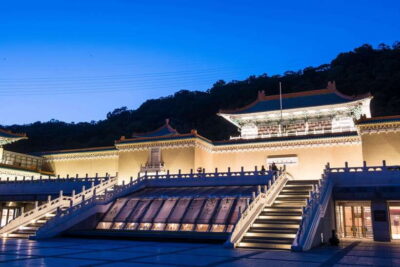
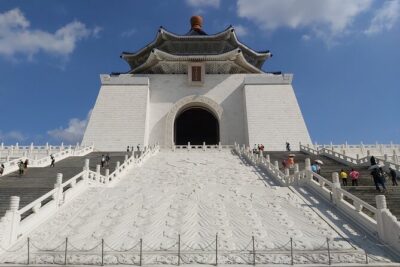
Taipei City Morning Tour with National Palace Museum entry
Read our review →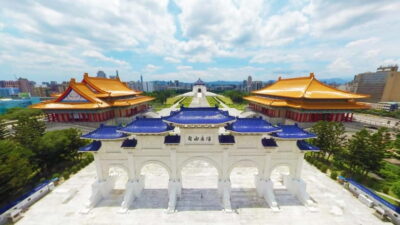
Morning City Tour with National Palace Museum Entry
Read our review →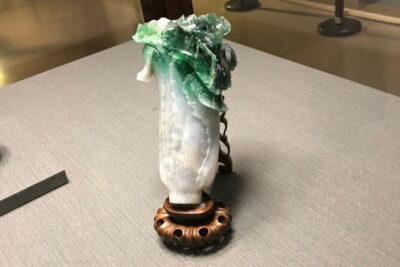
National Palace Museum Northern Branch Taiwan Admission
Read our review →
Full Day Tour in National Palace Museum, Beitou and Dadaocheng
Read our review →Browse the lists this tour appears in