
Review · MUSEUMS
Fort San Domingo, Tamsui Historical Museum: Ticket Combo
Tamsui tells Taiwan’s story in one compact day. This low-cost combo links the Tamsui Historical Museum with Fort San Domingo, the Tamsui Customs Officer’s Residence, and Huwei Fort. I like the easy QR-code entry and the way one ticket connects indigenous culture, Qing Dynasty trade, foreign settlement, and Japanese colonial history. The main drawback is that each of the three historic sites allows only one entry, so you need to plan your route rather than wander in and out.
At about $2.54 per person, this is one of the better-value cultural stops in New Taipei City. I also like its location near Tamsui Old Street and the waterfront, so you can pair the museums with food and river views without building a separate day around them. Do not expect a guided tour or personal explanation from staff, though. This is a self-guided visit, and some exhibits may mean more if you read the background before arriving.
In This Review
- Key points to know before you go
- Why this ticket works well in Tamsui
- Start with the Tamsui Historical Museum
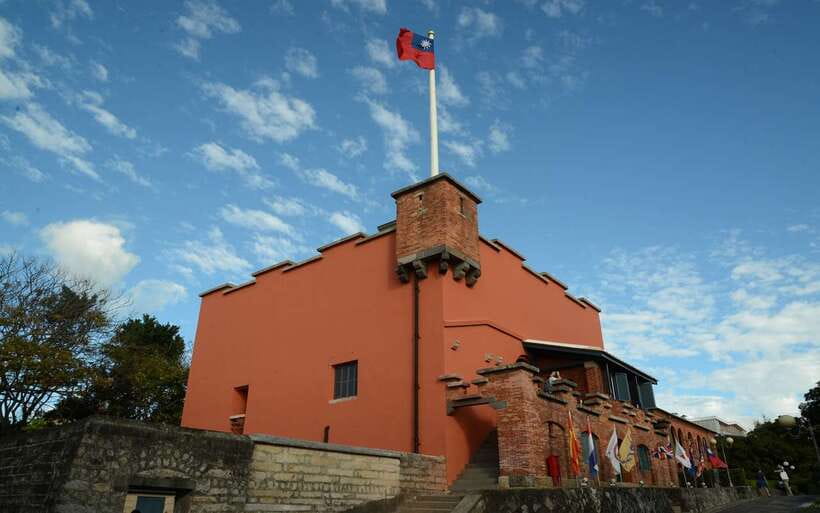
- Read four centuries at Fort San Domingo
- Step inside the Customs Officer’s Residence
- Add Huwei Fort for the military picture
- Build the visit around Tamsui Old Street
- What the $2.54 price really buys you
- Timing, access, and practical limits
- Who will enjoy this most
- My recommendation for booking
- FAQ
- How long is the ticket valid?
- What attractions are included?
- Can I enter each site more than once?
- How do I redeem the ticket?
- What are the opening hours for the three historic sites?
- Is a guide included?
Key points to know before you go
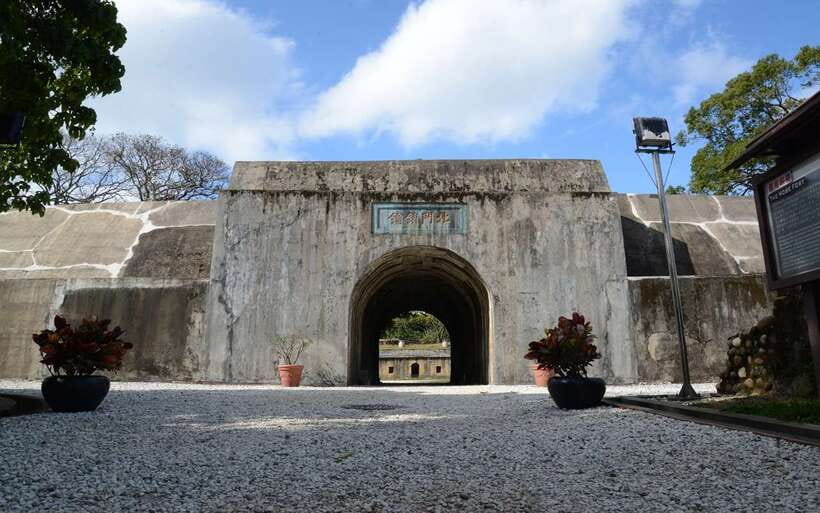
- Four cultural stops on one ticket: Visit the Tamsui Historical Museum, Fort San Domingo, the Customs Officer’s Residence, and Huwei Fort.
- A 400-year-old fortress story: Fort San Domingo served as a trading post, military fort, consulate, and barracks under different foreign powers.
- A rare look at old Tamsui: The museum’s large Qing Dynasty diorama shows streets, boats, buildings, and daily life in careful detail.
- Strong value at about $2.54: The ticket covers several historic sites for one very modest price.
- Easy QR-code redemption: Scan your code at each entrance, but remember that each of the three historic sites permits only one entry.
- Best paired with Tamsui Old Street: Food, shopping, and the riverfront are close enough to make this a natural half-day or full-day outing.
Why this ticket works well in Tamsui
Tamsui sits at the mouth of the Tamsui River, and its position shaped nearly every chapter of its past. The town developed as a port, bringing indigenous communities, Spanish and Dutch interests, Chinese settlers, Qing officials, British customs officers, and Japanese administrators into the same small area.
This ticket gives you several ways to read that past. The museum provides the broad story. Fort San Domingo gives you defensive walls and foreign occupation. The Customs Officer’s Residence shows how trade was managed. Huwei Fort adds another military site to the picture.
I like this approach because you are not looking at four unrelated buildings. You are following the growth of Tamsui from a local settlement into an international port town. At the same time, the sites are not presented as one continuous guided tour. You need to connect the dots yourself.
That self-guided format suits independent visitors who enjoy moving at their own pace. Families and casual sightseers can keep things short. History fans can spend longer with the displays and architecture. If you want stories delivered in person, the lack of a guide is the biggest limitation.
More museums and galleries in Taipei:
- Taipei: National Palace Museum E-Ticket
★ 4.4 · 273 reviews - Taipei City Morning Tour with National Palace Museum entry
★ 4.0 · 232 reviews - Taipei: Morning City Tour with National Palace Museum Entry
★ 4.6 · 173 reviews
Start with the Tamsui Historical Museum
Begin at the Tamsui Historical Museum if you can. It was established in 1978 to preserve and present the history and culture of Tamsui, and it gives you useful context before you reach the forts.
The displays cover the area’s natural environment, indigenous peoples, foreign arrivals, Chinese settlement, Qing Dynasty port life, and the Japanese colonial period. That range matters. Tamsui’s story is not only about old stone walls. It is also about the people who lived here, the trade that passed through the port, and the outside powers that changed local life.
The museum’s large-scale diorama is a highlight. It recreates Tamsui during the late Qing Dynasty with detailed models of buildings, boats, streets, and people. I would give this more than a quick glance. A model like this helps you picture the town as a working port rather than a quiet historic district.
Look for the relationship between the river and the settlement. Boats, commercial buildings, and streets all point to Tamsui’s role in trade. The display also gives you a way to picture the town before modern development altered its shape.
Temporary exhibitions are held during the year, with subjects connected to Tamsui’s history and culture. Since the program can change, you should treat these as a bonus rather than the main reason to buy the ticket.
The museum is best for orientation and local context. It is less dramatic than a fort, but it may be the stop that makes the rest of your visit more meaningful. Without it, Fort San Domingo can look like an isolated landmark. With it, you can see how the fort fit into a much larger port system.
Read four centuries at Fort San Domingo
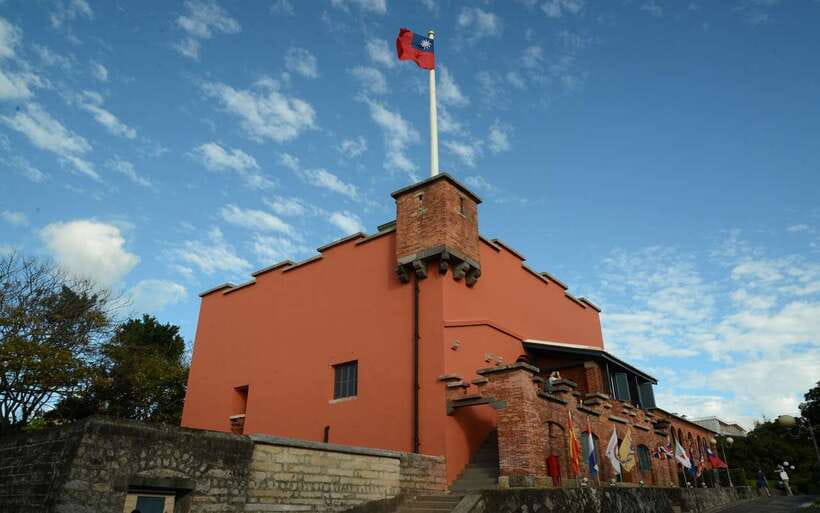
Fort San Domingo is the most immediately impressive stop in the combo. Its history stretches across more than 400 years, and different powers used and altered the site over time.
The fort served as a trading post, military fort, consulate, and military barracks. That changing use is the point. You are not visiting a building with one neat identity. You are seeing a place shaped by foreign trade, military pressure, government control, and changing colonial authority.
The site also reflects the arrival of the Spanish, Dutch, and Chinese in Taiwan’s early modern history. Later changes connect it to the period of British involvement and the Japanese colonial era. Each layer gives the fort a different meaning.
I suggest taking your time with the building itself. Notice how the fortress functioned as both a defensive position and an administrative site. Its location near the river helped explain why outside powers cared about Tamsui. Control of the port meant control of trade and access.
The fort attracts international interest, but it does not need a long visit to make an impression. You can see the main site, read the displays, and move on, or stay longer if architecture and colonial history interest you.
One practical point is important: this ticket permits only one entry to Fort San Domingo. Scan your QR code at the entrance, then make sure you have seen the areas you want before leaving. You cannot treat the ticket like an open pass for repeated visits.
Step inside the Customs Officer’s Residence
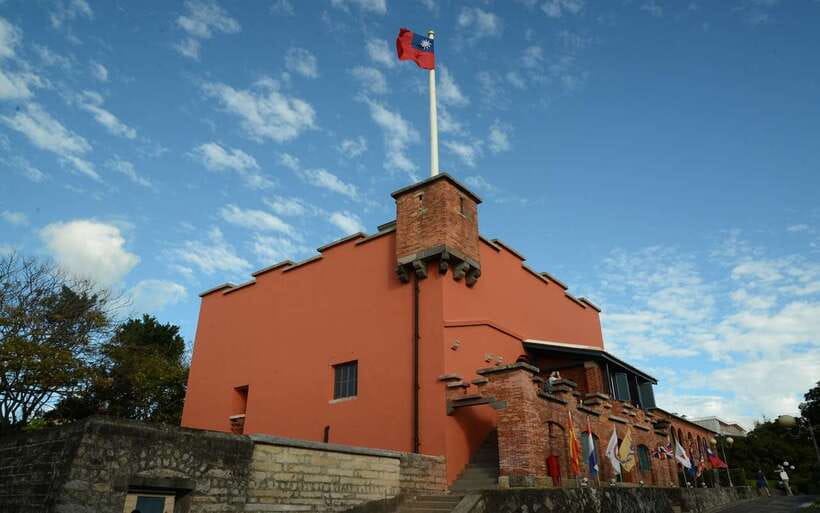
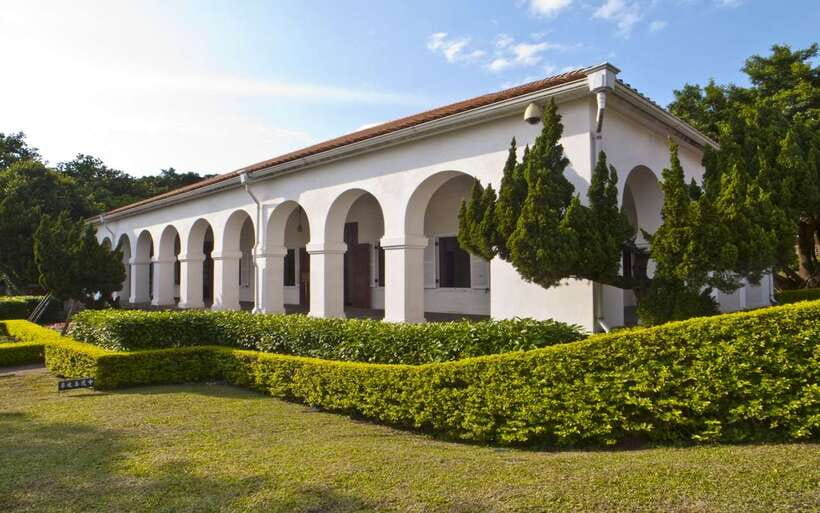
The Tamsui Customs Officer’s Residence offers a different experience from the fortress. Built in the late 19th century, it was used by British customs officers stationed in Tamsui during the colonial period.
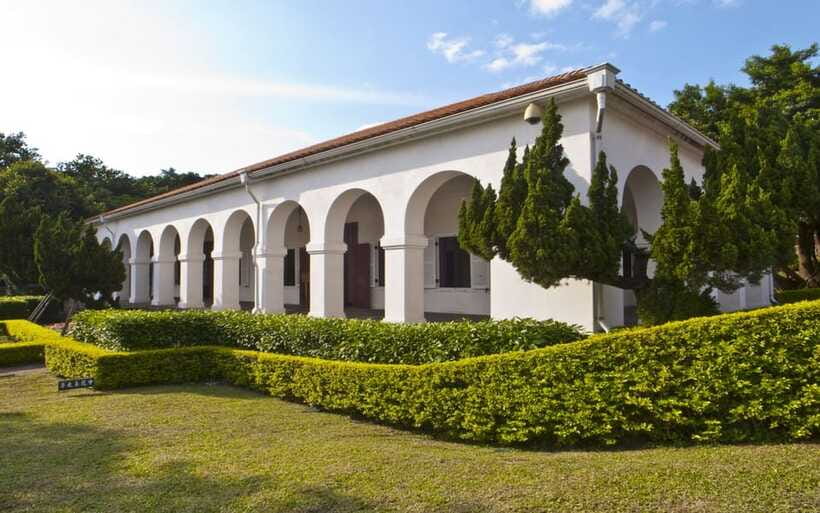
The building combines Western architectural features with Chinese elements. Its exterior includes red brick walls, arched windows, and a tiled roof. Inside, you may see carved details, decorative woodwork, and stained glass windows.
This is the stop where trade becomes personal. A fort suggests armies and international rivalry. A customs residence shows the everyday administration behind the port. Customs officers enforced trade regulations, and their work helped control what entered and left Tamsui.
I find historic residences useful because they reveal how foreign officials lived, not just how they governed. The building’s design also shows how imported Western forms were adapted to a Taiwanese setting. It is not simply a European house copied into Taiwan. The Chinese details give it a local connection.
The residence is sometimes connected in casual descriptions with Tamsui’s small white historic buildings, and one visitor specifically praised the area’s little white house along with Fort San Domingo. Still, the ticket information identifies the included site as the Tamsui Customs Officer’s Residence, so use that name when asking for directions.
As with the fort, you get one entry only. The residence does not replace Fort San Domingo, and the two sites work best together. One explains military and political power. The other shows customs, trade, and domestic life.
More history and heritage in Taipei:
- Taipei Cooking Class & Market Adventure in Historic Dadaocheng
★ 5.0 · 77 reviews - Taipei’s Origin & Longshan Temple – Taiwan Cultural Tour
★ 4.6 · 19 reviews - Taipei: Cooking Class & Market Adventure Historic Dadaocheng
★ 4.9 · 17 reviews - WoknRoll Taipei Walking and Historical Food Tour
★ 5.0 · 10 reviews
Add Huwei Fort for the military picture
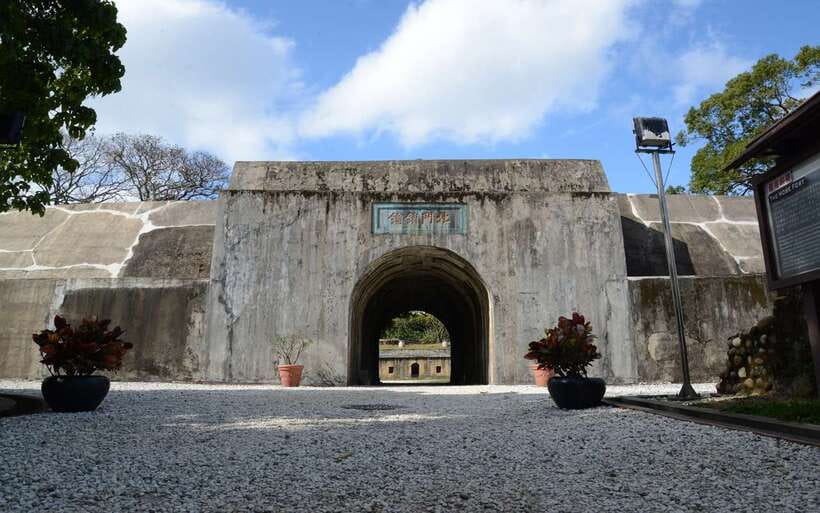
Huwei Fort is the fourth included attraction and broadens the military side of the visit. The ticket includes entrance, but the supplied information does not provide a detailed description of its rooms, layout, or exact exhibits.
That means you should approach it as a useful additional stop rather than expect the same level of historical detail described for Fort San Domingo. If military architecture interests you, Huwei Fort adds another point of comparison. You can consider how defensive needs changed as Tamsui developed and foreign influence shifted.
Because the ticket allows one entry, check the opening hours and your route before you set off. The three historic sites share the same stated hours: 9:30 a.m. to 5 p.m. on weekdays, and 9:30 a.m. to 6 p.m. on weekends and national holidays, with last entry at 5:30 p.m.
That schedule gives you more breathing room on a weekend, but I would still avoid arriving late. Four sites can sound easy on paper. Once you add walking, reading, photographs, food, and time at Tamsui Old Street, the day can pass quickly.
Build the visit around Tamsui Old Street
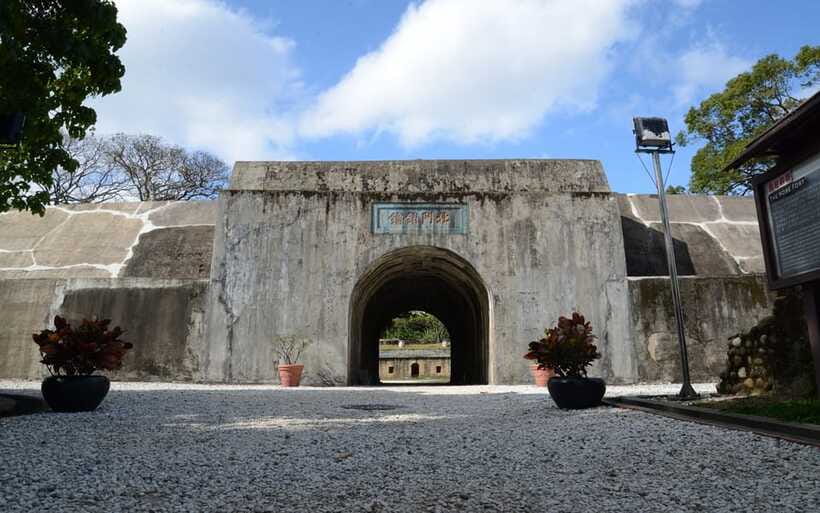
The ticket is most useful when combined with the rest of Tamsui. The attractions are near Tamsui Old Street, Fort San Domingo, and Tamsui Fisherman’s Wharf, so you can make the historic sites part of a wider day in the district.
Tamsui Old Street gives the day a more casual rhythm. After museum displays and colonial buildings, you can stop for local food and browse the older commercial area. The change of pace is welcome, especially if you are visiting with children or with someone who does not want a full day of formal history.
The nearby waterfront adds another layer. Tamsui’s position at the river mouth is not just an old fact in a display. You can connect the historic port story with the water itself. The river helps explain the town’s trade, defenses, customs activity, and later appeal as an outing destination.
You can also include Tamsui Fisherman’s Wharf, but allow enough time for the return journey and the attractions’ closing hours. The ticket is valid for one day, not for multiple days, so it rewards a little planning.
I would not rush from entrance to entrance just to collect all four sites. The value comes from understanding how they fit together. A shorter visit to three places may be more satisfying than a hurried visit to all four.
What the $2.54 price really buys you
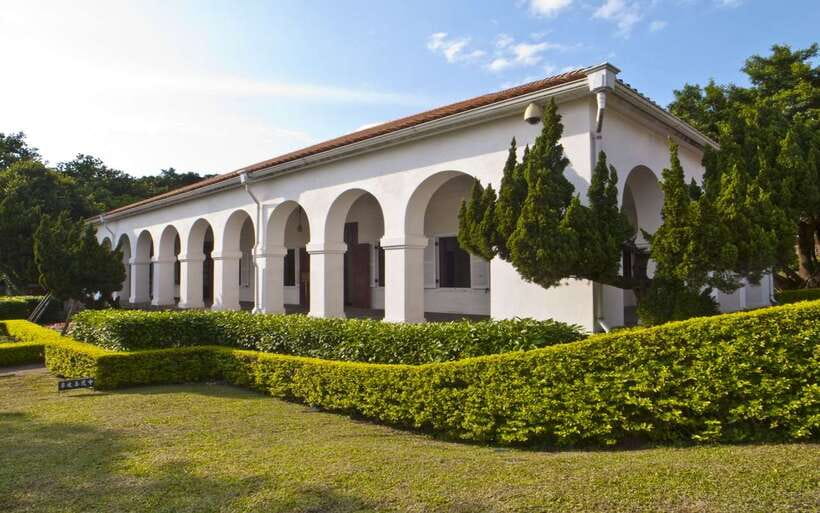
At approximately $2.54 per person, the price is the easiest part of the decision. You receive a full-price e-ticket for the Tamsui Historical Museum plus admission to Fort San Domingo, the Customs Officer’s Residence, and Huwei Fort.
Even if you spend only a modest amount of time at each location, the cost is low enough to make the combo practical for most budgets. You are paying for access to several cultural sites in one historic district, not for a guided experience or transport between them.
That distinction matters. There is no tour guide included, and the ticket does not mention transportation, food, or personal expenses. You are buying entry, convenience, and the chance to shape your own day.
The strongest value comes from pairing the ticket with nearby free or low-cost time on Old Street and the waterfront. If you visit only one site and leave Tamsui quickly, the combo loses some of its advantage. If you use the full day, the price is remarkably modest.
The simple redemption process also helps. Scan the QR code at the entrance of each site. The easy entry has been specifically praised, and there is no indication that you need to exchange the ticket elsewhere. Keep the code ready on your phone and remember the one-entry rule.
Timing, access, and practical limits
The experience is valid for one day. You should check availability for the starting time when booking, although the sites’ published hours provide the basic framework for planning.
The historic sites open at 9:30 a.m. On weekdays, they close at 5 p.m. On weekends and national holidays, they close at 6 p.m. Last entry is at 5:30 p.m. The information provided does not give separate museum hours, so check the current schedule if the museum is your first or last stop.
The ticket is wheelchair accessible. That is useful information for planning, although the details provided do not explain whether every room, path, or historic section has identical access.
Free cancellation is available up to 24 hours before the visit, with a full refund. You can also reserve now and pay later, which helps if your Tamsui plans depend on weather or a changing Taiwan itinerary.
Do not expect a guide. The ticket is designed for independent exploration, and you will need to read the displays and decide how much time to spend at each site. That keeps the price down, but it also means you should arrive ready to pay attention to dates, names, and changing uses.
Who will enjoy this most
I would recommend this ticket to you if you like history but do not want a tightly managed group tour. It suits independent visitors, couples, families with older children, architecture fans, and anyone already planning to visit Tamsui Old Street.
It is especially good for people interested in how different cultures shaped Taiwan. The museum covers indigenous communities and Chinese settlement, while the fort and residence show the influence of Spanish, Dutch, British, and Japanese periods.
You may find it less satisfying if you want entertainment at every stop, a guide speaking throughout the day, or a carefully timed transport service. The experience depends on your curiosity. The buildings and displays provide the material, but you make the connections.
The combo also works well for a first visit to Tamsui because it gives you a broad introduction without demanding a specialist’s knowledge. You can focus on the diorama, architecture, and major historical changes rather than trying to absorb every date.
My recommendation for booking
I would book this ticket if you plan to spend at least several hours in Tamsui. The price is low, the QR redemption is straightforward, and the four included sites cover more ground than a single fort visit.
Plan to start early enough for the museum, Fort San Domingo, the Customs Officer’s Residence, and Huwei Fort. Then leave time for Tamsui Old Street and the waterfront. Remember that each historic site allows one entry, so check your route before scanning in.
The best reason to book is the combination of value and context. You get the broad museum story, the heavy walls of a centuries-old fort, the domestic setting of a customs residence, and another military site, all in one day. If you prefer a guide or need transportation included, choose a different format. For an inexpensive, flexible introduction to Tamsui’s past, this ticket is an easy recommendation.
FAQ
How long is the ticket valid?
The ticket is valid for one day.
What attractions are included?
The ticket includes a full-price e-ticket for the Tamsui Historical Museum, entrance to Fort San Domingo, entrance to the Tamsui Customs Officer’s Residence, and entrance to Huwei Fort.
Can I enter each site more than once?
No. The ticket allows one entry to each of the three historic sites.
How do I redeem the ticket?
Scan the QR code at the entrance of the site you are visiting.
What are the opening hours for the three historic sites?
Fort San Domingo, the Tamsui Customs Officer’s Residence, and Huwei Fort are open from 9:30 a.m. to 5 p.m. Monday through Friday. On weekends and national holidays, they are open from 9:30 a.m. to 6 p.m. Last entry is at 5:30 p.m.
Is a guide included?
No. A tour guide is not included, so you visit the museum and historic sites independently.
Just added in Taipei
- Taipei: 8 Hours Private Day Tour in Wulai with Benz Vito★ 4.4 · 5 reviews
- Vintage Taipei – Best of Taiwan and Sunset Walking Tour★ 5.0 · 4 reviews
- One Day Tour of Yilan, Zhang Mei Ama Farm★ 5.0 · 2 reviews
- Yilan Whale Watching and Animal Farm Private Tour from Taipei★ 5.0 · 1 review
- Yilan Rural Tea Picking Experience from Taipei City★ 5.0 · 1 review
- Yilan 1-Day Private Tour to Kavalan Whisky & Cultural Gems★ 4.5 · 3 reviews
- Yilan Kavalan Whisky Distillery,Jim&Dad’s Brewing, Shenkeng Tour★ 5.0 · 1 review
- Yangmingshan National Park & Hot Spring Tour (afternoon )★ 3.0 · 2 reviews
Museums, compared.
Taipei City Morning Tour with National Palace Museum entry
Read our review →
Morning City Tour with National Palace Museum Entry
Read our review →
National Palace & Shung Ye Aborigines Museums Ticket
Read our review →
National Palace Museum and Taiwan Aborigines Museum
Read our review →
Browse the lists this tour appears in