
Review · EVENING EXPERIENCES
Vintage Taipei – Best of Taiwan & Sunset Walking Tour (Tip-based)
Old Taipei tastes better on foot. This 2.5-hour walking tour links a traditional tea factory, temples, old trading streets, Chinese herbal shops, and Dadaocheng Wharf. I like the tea roasting and tasting, and I like the way the route ends beside the river with a Taiwanese honey lager.
The tour costs about $5 per person to book, but it is tip-based, so you should plan for an additional tip. That arrangement may not suit everyone, especially since one participant felt uncomfortable hearing repeated reminders about the expected tip. The guide’s pace can also vary, and one person found the explanation too fast.
In This Review
- Key points at a glance
- Why this old Taipei walk is worth your afternoon
- Meeting at Mikkeller Bar and starting at 2:30 pm
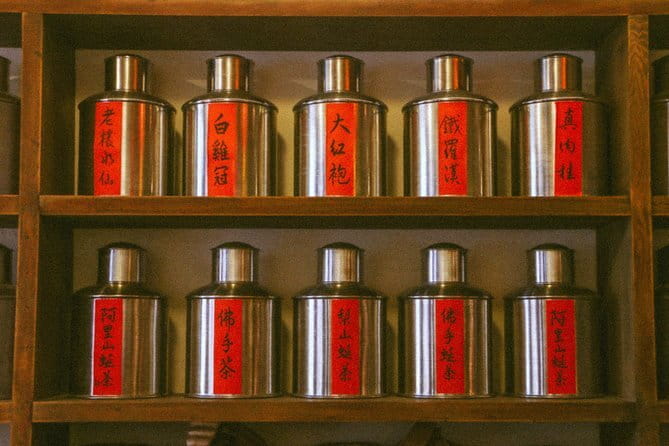
- The century-old tea factory and traditional roasting
- Fa Zho Gong Temple, including its unusual elevator
- Taipei Xia Hai City God Temple and the story of Yue Lao
- Dadaocheng, Dihua Street, and old trading Taipei
- The Chinese herbal and dried-goods market
- Food near Dadaocheng Wharf and the sunset beer
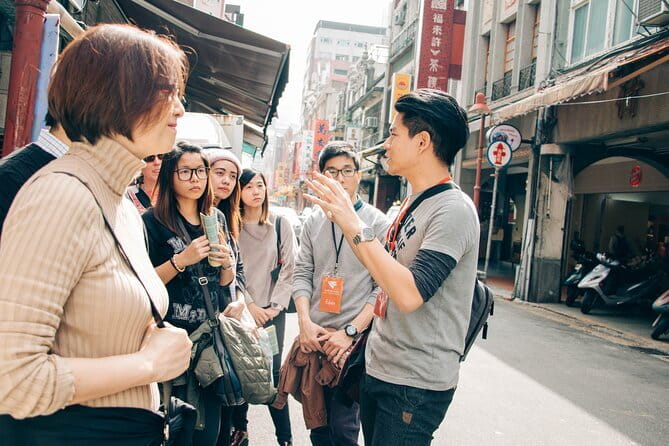
- The guide makes the biggest difference
- Price, tipping, and the real value
- Who should book this Dadaocheng walk?
- Should you book it?
- FAQ
- How long does the Vintage Taipei tour last?
- What time does the tour begin?
- Where does the tour begin?
- Where does the tour end?
- Is tea included?
- Is the beer included?
- How many people can join the tour?
- Can I cancel for a refund?
Key points at a glance
- Tea roasting with a tasting: Start with a practical look at traditional Taiwanese tea production, not just a quick cup at a café.
- Two historic temples: See Fa Zho Gong Temple, founded in 1869, and Taipei Xia Hai City God Temple, built in 1856.
- Dadaocheng’s old streets: Walk through one of Taipei’s best-preserved traditional districts, with old shopfronts and trading links.
- Chinese herbal market: Browse shops filled with dried goods and traditional medicinal ingredients.
- Sunset at Dadaocheng Wharf: Finish near the river with local food choices and a discounted glass of award-winning Taiwanese honey lager.
- Small-group format: The maximum group size is 20, which gives the guide a better chance to manage questions and keep the walk together.
Why this old Taipei walk is worth your afternoon
This tour works because it covers a compact part of Taipei with a clear theme. You are not racing around the whole city. Instead, you spend the afternoon in the old port district of Dadaocheng, where tea, medicine, temples, trade, food, and river transport all meet.
I like this focus. Taipei can feel sprawling, and a short introduction to one district often makes more sense than a long list of disconnected sights. The route gives you a feel for how daily life, commerce, worship, and food fit together in the older city.
The 4.8 rating from 52 ratings and 96 percent recommendation rate suggest that the format works well for most people. The strongest praise centers on the guides, especially Bessy or Bessie, Ale, and Leo. Bessy is repeatedly described as warm, enthusiastic, and deeply interested in Dihua Street and its surrounding area. Ale is noted for a kind manner, while Leo receives praise for his clear grasp of the district.
You should come with the right expectation. This is a local history walk, not a full Taipei overview. You will learn much more about Dadaocheng and old Taipei than about neighborhoods elsewhere in the city.
More guided walks in Taipei:
- Taipei Old Town – Taiwan Introduction Walking Tour (Tip-Based)
★ 5.0 · 175 reviews - [Private Tour] Shilin Night Market Walking Tour With a Private Tour Guide (2-hr)
★ 5.0 · 123 reviews - Taipei: 2-Hour Raohe Night Market Walking Tour
★ 4.6 · 69 reviews
Meeting at Mikkeller Bar and starting at 2:30 pm
The walk begins at Mikkeller Bar Taipei, at 241 Nanjing West Road in Datong District. The 2:30 pm start gives you time to have lunch beforehand and places the final part of the tour near sunset.
The timing is one of the smart features. Early afternoon light suits a walk through old streets, while the later finish makes the riverfront more appealing. The precise sunset view will depend on the season and weather, but the tour is designed to reach Dadaocheng Wharf Plaza at the end of the afternoon.
You should wear comfortable shoes. The route lasts around two and a half hours, and much of the value comes from walking through streets and market areas rather than moving between indoor attractions. The group may include up to 20 people, so stay near the guide when the route passes through busy streets or market lanes.
The tour includes a certified guide, traditional tea or coffee, tea tasting, and discounted beer at the end. It does not promise a full meal, so you should keep room in your budget for food at the riverside market.
The century-old tea factory and traditional roasting
The first major experience is a historic tea factory, where you can see traditional roasting in action and taste the result. This is a useful beginning because tea is not treated as a vague symbol of Taiwan. You get a direct look at one of the methods that gives the drink its character.
I enjoy stops like this because the process makes the tasting more meaningful. You can pay attention to the aroma, the roast, and the way the guide explains the tea instead of simply being handed a prepared drink.
The tea factory also sets the tone for the rest of the afternoon. This is a tour about working traditions, not only old buildings. Tea production, dried goods, herbal ingredients, and market trade all connect the sights you see later.
The exact tea selection and length of the roasting demonstration are not specified, so you should not expect a full tea workshop. Think of it as a compact introduction with a tasting. If tea is your main interest, the stop may feel brief, but it adds a distinctive local detail that many standard city walks skip.
Fa Zho Gong Temple, including its unusual elevator
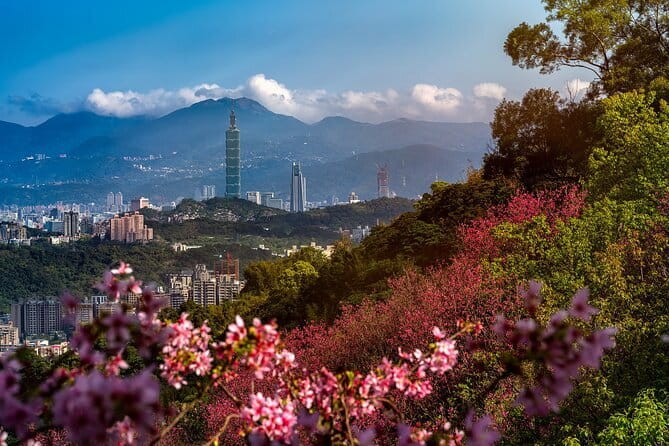
The route includes Fa Zho Gong Temple, dating from 1869. Its unusual feature is an elevator, making it the only temple in Taiwan described in the tour as having one.
That detail gives the stop an easy way into the subject of old and new Taipei. The temple keeps its traditional role while also using a modern feature. I would pay attention to how the guide explains the building and its place in local religious life, rather than treating the elevator as a novelty alone.
The temple visit should appeal to you if you want cultural context without committing to a long religious tour. You can see one of the city’s older places of worship and learn how tradition continues in a modern urban setting.
As with any active temple, the atmosphere can change during the day. The tour information does not promise a ceremony or a private visit, so expect an observational stop rather than a special religious event.
More things to do in Taipei:
- From Taipei: Shifen, Jiufen, and Yehliu Guided Day Trip
★ 4.6 · 1,654 reviews - Full-Day Private Custom Taipei City Tour
★ 5.0 · 911 reviews - From Taipei: Yehliu, Jiufen, and Pingxi Day Tour
★ 4.7 · 892 reviews - Taipei: Jiufen Night View and Shifen Day Tour
★ 4.6 · 870 reviews
Taipei Xia Hai City God Temple and the story of Yue Lao

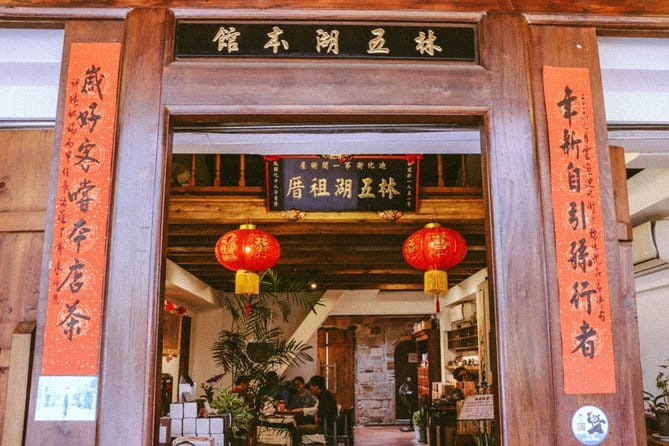
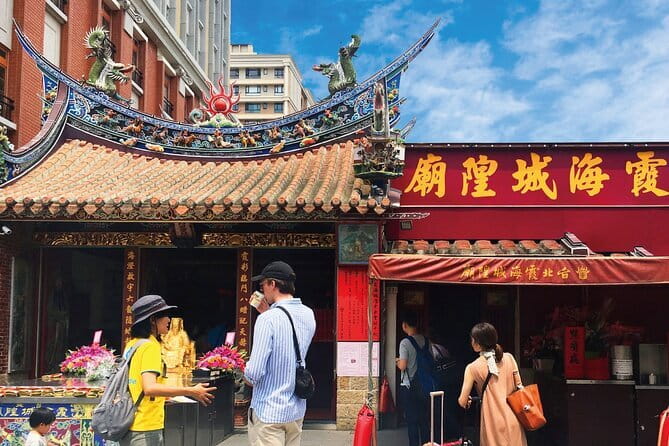
The second temple is Taipei Xia Hai City God Temple, built in 1856. It is especially associated with Yue Lao, the Chinese figure linked with romance and matchmaking.
This stop adds a different mood. Fa Zho Gong Temple gives you the old-meets-new detail, while Xia Hai City God Temple connects religious practice with personal hopes and everyday life. The presence of Yue Lao helps explain why this temple has such a strong place in Taipei’s popular culture.
The temple is also known for its lively setting. You should expect a compact urban religious site with plenty to notice, rather than a silent museum. Your guide may point out customs, figures, and local beliefs, but the supplied information does not promise a formal ritual or a chance to make a specific prayer.
Together, the two temples make the walking route more than a food-and-shopping outing. They show how faith remains part of the old district’s identity.
Dadaocheng, Dihua Street, and old trading Taipei
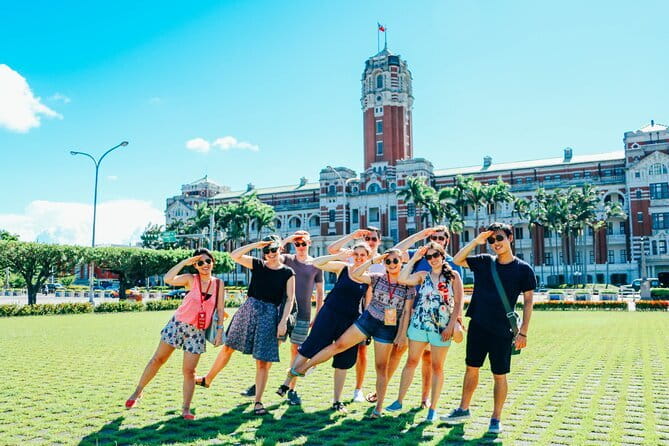
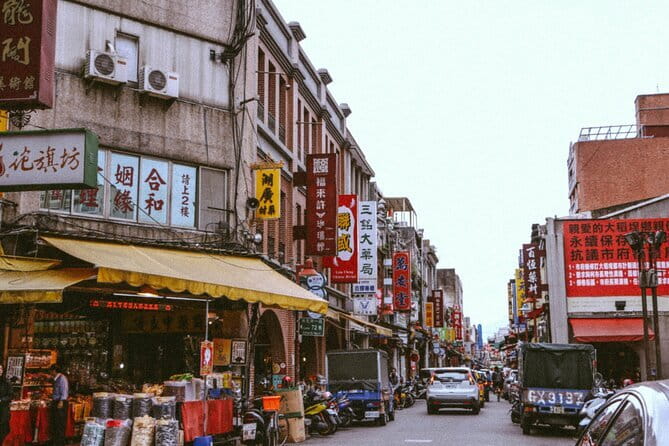
The walk then moves through Dadaocheng, including the area around Dihua Street. This is the heart of the experience. The district is known for preserved traditional buildings, old shopfronts, and its connection to trade through the former port.
I like the idea of seeing Taipei here, because this is where the city’s older commercial character becomes easier to read. Instead of only hearing that Taipei has a long trading past, you can connect that story to the streets, storefronts, and goods still sold in the area.
The old architecture is a major reason to take the tour. You may see decorative façades and narrow streets that feel very different from Taipei’s modern business districts. The tour frames these details through local history, so you can understand why the district matters rather than simply photographing the buildings.
Do not expect every street to look untouched. Dadaocheng is a living neighborhood, not an open-air period set. Modern businesses and daily city traffic are part of the scene. That mix is useful, though, because it shows how an old district continues to function.
The walk is best for you if you prefer a neighborhood with a strong sense of place. It is less suitable if you want major landmarks, a large museum, or a broad introduction to every part of Taipei.
The Chinese herbal and dried-goods market

One of the most distinctive sections is the Chinese herbal and dry products market. Shops in this area sell herbs and dried ingredients connected with traditional Chinese medicine.
This is where the guide’s explanations matter most. Many of the products may be unfamiliar, and you might not know what you are looking at without context. A good guide can explain how these shops fit into local life and why the market has lasted.
The stop also gives you a chance to see commerce at close range. This is not a staged demonstration. You are walking among real shops selling goods with practical uses, even if some items seem mysterious at first.
You may also encounter local food products during the route. One account specifically notes an introduction to pineapple cake, local foods, and customs. That makes the market portion more useful than a simple look at shelves of dried goods.
Keep your expectations measured. The tour does not include a medical consultation or a personal herbal prescription. Treat this as a cultural and shopping stop, and do not buy anything for health purposes unless you understand exactly what it is and how it should be used.
Food near Dadaocheng Wharf and the sunset beer
The route ends at Dadaocheng Wharf Plaza, beside the river. This final setting changes the pace from old shops and temples to food stalls, open views, and a drink.
The plan is to finish with local food options and a discounted glass of Taiwanese award-winning honey lager. The beer is not included as a free drink, but the tour provides a discount at the end. That distinction matters when you work out the real cost.
I like this ending because you are not dropped at a random street corner after the final explanation. You have time to remain in the district, choose something to eat, and watch the light over the river. The sunset is weather-dependent, of course, but the waterfront gives the afternoon a clear finish.
Food is not specified by stall or dish, so you should expect a choice of local snacks rather than a set tasting menu. That is a benefit if you like picking what appeals to you, but less useful if you want all food covered in the tour price.
The riverfront stop also gives you flexibility. You can continue exploring Dadaocheng after the walk, eat at the market, or simply enjoy the view with your drink.
The guide makes the biggest difference
The strongest part of this experience is the guiding. Bessy, also written as Bessie in one account, is praised for enthusiasm and a strong interest in Dihua Street. Ale is described as kind and well informed about the area, while Leo is praised for his understanding of the old district.
That personal element matters on a history walk. Old streets can look attractive without explaining themselves. The guide’s stories connect the temples, tea, medicine shops, and port trade into one readable route.
The group is capped at 20 people. That is not a private tour, but it is small enough for the guide to keep an eye on the group and answer some questions. The experience may feel more personal when the group is below the maximum.
There is one clear caution. One person found the guide spoke too quickly. If you need slower explanations, ask the guide early in the walk to repeat or slow down. The guide quality may also vary by date, since several names are associated with the experience.
Price, tipping, and the real value
The booking price is listed at $5 per person, which makes the experience easy to try. But this is a tip-based walking tour, so the booking fee is not the complete cost of the guide service.
You should decide in advance what you are comfortable paying as a tip. The tour does not state a required amount in the supplied information, and one person disliked hearing repeated reminders about the expected tip. That complaint is worth taking seriously. If you prefer one fixed price with no social pressure, a standard paid tour may suit you better.
For value, the route offers a lot at the initial booking price: a certified guide, tea or coffee, traditional tea tasting, two temples, Dadaocheng’s old streets, the herbal market, and a finish at the wharf. You still need to budget for the tip, food, and the discounted beer.
I see this as good value for someone who wants a short, focused introduction to old Taipei. It is not the right choice if you want admission to major attractions, a full meal, or a citywide sightseeing route.
Who should book this Dadaocheng walk?
I would recommend it to first-time visitors who want help understanding Taipei’s older districts. It also suits repeat visitors who have seen the modern city and want tea culture, temples, traditional shops, and local market life.
It is a good match for:
- People who enjoy walking tours with history and food culture
- Visitors with only one afternoon available
- Anyone interested in tea, Chinese medicine, temples, or old commercial districts
- People who prefer a small group over a large coach tour
- Those who like ending a tour with free time for food and a drink
I would be more cautious if you have limited walking ability, since the experience is a street-based walk lasting about two and a half hours. Most people can participate, and service animals are allowed, but the supplied information does not give a route distance or details about seating along the way.
The tour is also weather-sensitive. If poor weather causes cancellation, you are offered another date or a full refund. Free cancellation is available up to 24 hours before the 2:30 pm start, while changes or cancellations inside that window are not refunded.
Should you book it?
Book this tour if you want a compact, human-scale look at old Taipei, especially Dadaocheng and Dihua Street. The tea tasting, two temples, herbal market, and riverfront beer give the afternoon a pleasing range, and the guides named Bessy, Ale, and Leo have made a strong impression through their warmth and local knowledge.
Skip it if you want a fixed-price tour with no tipping conversation, a slower guaranteed speaking pace, or a broad tour of all Taipei. For the right visitor, this is an inexpensive way to understand one of the city’s most characterful districts, with enough free time at the wharf to keep the ending relaxed.
FAQ
How long does the Vintage Taipei tour last?
The tour lasts approximately 2 hours and 30 minutes.
What time does the tour begin?
The tour starts at 2:30 pm.
Where does the tour begin?
The meeting point is Mikkeller Bar Taipei, at No. 241 Nanjing West Road in Taipei’s Datong District.
Where does the tour end?
The tour ends at Dadaocheng Wharf Plaza in Datong District, near the riverfront food market.
Is tea included?
Yes. Traditional tea tasting is included, along with coffee and/or tea.
Is the beer included?
The tour includes discounted beer at the end, rather than stating that the beer itself is free. The final stop is at Dadaocheng Wharf Plaza.
How many people can join the tour?
The maximum group size is 20 people.
Can I cancel for a refund?
Yes. You can cancel at least 24 hours before the start time for a full refund. Cancellations or changes made less than 24 hours before the start time are not refunded, and weather-related cancellations offer a different date or a full refund.
Just added in Taipei
- Taipei: 8 Hours Private Day Tour in Wulai with Benz Vito★ 4.4 · 5 reviews
- Vintage Taipei – Best of Taiwan and Sunset Walking Tour★ 5.0 · 4 reviews
- One Day Tour of Yilan, Zhang Mei Ama Farm★ 5.0 · 2 reviews
- Yilan Whale Watching and Animal Farm Private Tour from Taipei★ 5.0 · 1 review
- Yilan Rural Tea Picking Experience from Taipei City★ 5.0 · 1 review
- Yilan 1-Day Private Tour to Kavalan Whisky & Cultural Gems★ 4.5 · 3 reviews
- Yilan Kavalan Whisky Distillery,Jim&Dad’s Brewing, Shenkeng Tour★ 5.0 · 1 review
- Yangmingshan National Park & Hot Spring Tour (afternoon )★ 3.0 · 2 reviews
Evening Experiences, compared.
![[Private Tour] Shilin Night Market Walking Tour With a Private Tour Guide (2-hr)](https://y8.taiwantourreviews.com/wp-content/uploads/private-tour-shilin-night-market-walking-tour-with-a-private-tour-guide-2-hr-400x267.jpg)
[Private Tour] Shilin Night Market Walking Tour With a Private Tour Guide (2-hr)
Read our review →
Street Food & Hidden Eats Night Market Food Tour
Read our review →
Taipei Food Tour: Night Market & Convenience Store(Food Included)
Read our review →

2-hr Raohe Night Market Walking Private Tour with a Tour Guide
Read our review →
7-Hour Jiufen Night View, Shifen Waterfall & Raohe Market Tour
Read our review →
Taipei Street Food & Night Market Tour with a Local: Private & Custom
Read our review →Browse the lists this tour appears in